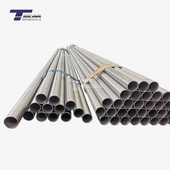
Titanium is a remarkable metal known for its strength and light weight. Among its various grades, Grade 2 and Grade 3 titanium stand out. These grades are part of the commercially pure titanium family. Grade 2 titanium is widely used due to its excellent corrosion resistance. It's a favorite in industries like aerospace and marine. On the other hand, Grade 3 titanium offers higher strength, making it suitable for more demanding applications.
Choosing between these two grades can be challenging. Each has unique properties that cater to different needs. Understanding their differences is crucial for making informed decisions. This article will explore the key distinctions between Grade 2 and Grade 3 titanium plates. We'll delve into their chemical composition, mechanical properties, and applications. By the end, you'll have a clear understanding of which grade suits your specific requirements. Let's dive into the world of titanium grade comparison.

Overview of Titanium Grades
Titanium is available in several grades, each with distinct characteristics. These grades are categorized based on purity and alloying elements. Commercially pure titanium grades, such as Grade 2 and Grade 3, are widely recognized.
These grades offer excellent corrosion resistance, making them ideal for many applications. Yet, they differ in terms of strength and formability. Grade 2 titanium is known for its balance of strength and flexibility, making it versatile.
Grade 3 titanium, however, brings enhanced strength to the table. This makes it suitable for high-stress situations where durability is essential. Nonetheless, its usage is limited compared to Grade 2 due to availability.
Here's a simplified list of key properties of commercially pure titanium grades:
Grade 1: High ductility, low strength
Grade 2: Balanced strength and corrosion resistance
Grade 3: Higher strength, moderate corrosion resistance
Grade 4: Highest strength among pure grades
Understanding these grades and their properties can assist in selecting the right material. This ensures optimal performance and longevity in any application.
Chemical Composition: Grade 2 vs Grade 3 Titanium
The chemical composition of titanium grades significantly impacts their properties. Grade 2 and Grade 3 are both considered commercially pure titanium. However, slight variations in impurities and alloying elements differentiate them.
Grade 2 titanium consists of up to 0.25% iron and less than 0.2% oxygen. This grade is known for its superior corrosion resistance. It remains predominantly used in industries like aerospace and marine.
In contrast, Grade 3 titanium allows slightly higher levels of oxygen, up to 0.35%. This increases its tensile strength compared to Grade 2. Yet, this comes at the expense of lower formability and ductility.
Here's a quick breakdown of key elements in Grades 2 and 3:
Iron: Less than 0.25% in both grades
Oxygen: Up to 0.2% in Grade 2, up to 0.35% in Grade 3
Nitrogen and Carbon: Low levels in both grades
These subtle variations in composition lead to significant differences in mechanical properties. Grade 3's higher strength comes with trade-offs in ease of fabrication and ductility. Understanding these differences can aid in making informed material selections.
Mechanical Properties Comparison
The mechanical properties of titanium greatly influence its application potential. This is particularly true when comparing Grade 2 and Grade 3 titanium plates. Grade 3 titanium offers higher strength, making it suitable for demanding uses.
Grade 2 titanium typically has a tensile strength of about 345 MPa. This makes it a great choice when ductility and corrosion resistance are prioritized. In contrast, Grade 3 titanium boasts a tensile strength around 485 MPa. This added strength is beneficial but can limit formability.
Both grades provide good resistance to fatigue. However, Grade 3's additional strength enhances its performance under stress. This is why it's often favored in high-pressure situations.
Here's a summary of their mechanical differences:
Tensile Strength: Grade 2 ~345 MPa; Grade 3 ~485 MPa
Formability: Greater in Grade 2; Reduced in Grade 3
Ductility: Higher in Grade 2; Lower in Grade 3
Despite these differences, both grades maintain excellent resistance to cracking. They also perform well in high-temperature environments, although Grade 3 can handle slightly higher temperatures.
The choice between Grade 2 and Grade 3 titanium ultimately hinges on the application's specific strength requirements. Balancing formability and resilience is key in selecting the right titanium grade for your needs.
Corrosion Resistance and Durability
Titanium is revered for its corrosion resistance, which is a key factor in its widespread use. Both Grade 2 and Grade 3 titanium plates excel in this area, although there are subtle differences to note.
Grade 2 titanium is often preferred in industries where corrosion resistance is paramount, such as in marine environments. Its ability to withstand corrosive substances makes it ideal for prolonged exposure to harsh conditions.
Grade 3 titanium also offers impressive corrosion resistance, but its strength brings additional benefits. This added durability makes Grade 3 suitable for chemical processing applications, where both strength and corrosion resistance are needed.
Durability in titanium is not just about resisting corrosion. It also includes the material's capacity to maintain integrity over time under various stresses.
Here's a comparison of their corrosion resistance aspects:
Grade 2: Superior in marine environments
Grade 3: Balanced resistance and strength
Both: Excellent overall durability
When choosing between these grades, consider the specific environmental and operational stresses your application will encounter.
Formability, Weldability, and Machinability
Titanium's appeal extends beyond its strength and corrosion resistance; its workability is also crucial. Formability, weldability, and machinability are important factors in selecting the appropriate titanium grade.
Grade 2 titanium is renowned for its superior formability, making it suitable for a variety of forming applications. Its ductility allows for easy bending and shaping without compromising structural integrity.
Weldability is another strong point for Grade 2 titanium. It welds more easily than Grade 3, facilitating intricate designs and assembly in manufacturing processes.
Grade 3 titanium, while stronger, presents challenges in machinability. Its higher strength means more effort and specialized tools are needed during machining.
Consider these points:
Formability: Grade 2 is more ductile
Weldability: Grade 2 easier to weld
Machinability: Grade 3 requires specialized tooling
These factors can influence production costs and time, impacting project feasibility. Selecting the right grade will depend on your specific processing needs.
Applications of Grade 2 and Grade 3 Titanium Plates
The versatile nature of titanium makes it a go-to choice for many industries. Grade 2 and Grade 3 titanium plates, however, cater to slightly different needs due to their distinct properties.
Grade 2 titanium is commonly used in aerospace, where its corrosion resistance is vital. This makes it ideal for aircraft components and marine environments, where exposure to elements is frequent.
Its excellent weldability and formability also make Grade 2 suitable for heat exchangers and piping systems. These applications rely on its ability to maintain integrity while molded into complex shapes.
Grade 3 titanium, with its higher strength, sees use in more demanding applications. Chemical processing and medical industries favor this grade for pressure vessels and medical devices due to its strength-to-weight ratio.
Its durability allows it to perform in high-temperature environments, making it suitable for some automotive parts. Selecting between the grades hinges on application requirements, with distinct pros for each:
Grade 2: Aerospace, marine, and piping systems
Grade 3: Chemical processing, medical devices, and high-temperature use
Determining the right grade involves assessing the specific environmental and structural demands of each application.
Cost, Availability, and Supply Considerations
The cost of titanium materials can significantly impact material selection. Grade 3 titanium is generally more expensive than Grade 2. This price difference is due to its enhanced mechanical properties and lower availability.
When considering availability, Grade 2 titanium is more abundant in the market. This abundance often results in shorter lead times, making it a more accessible choice for large projects.
However, the supply of Grade 3 titanium can be less consistent due to its specialized use cases. This inconsistency in supply might lead to longer wait times and increased project costs. Key factors affecting these considerations include:
Cost: Grade 3 is pricier due to superior properties.
Availability: Grade 2 is more readily available.
Supply: Variability can affect lead times for Grade 3.
Understanding these aspects is crucial for project planning and budgeting, ensuring timely deliveries and cost-effectiveness.
Biocompatibility and Use in Medical Devices
Titanium's biocompatibility makes it highly suitable for medical applications. Both Grade 2 and Grade 3 titanium are non-toxic and non-reactive with body tissues. This is crucial for medical devices that remain in contact with the human body.
Grade 2 titanium is frequently used in medical implants due to its excellent corrosion resistance. Its properties make it ideal for applications like surgical instruments and bone plates. Grade 3, with its superior strength, finds use in more demanding medical environments.
When choosing titanium for medical use, the following factors are vital:
Biocompatibility: Both grades are safe for body interaction.
Corrosion Resistance: Grade 2 excels in this area.
Strength: Grade 3 is preferred for robust medical devices.
These characteristics ensure that both grades meet the rigorous standards required for healthcare applications, offering reliability and safety.
How to Choose: Key Factors for Selecting the Right Grade
Selecting the right titanium grade involves considering several factors. The application requirements often dictate the choice between Grade 2 and Grade 3. Each grade has unique properties that suit different needs.
When evaluating titanium grades, consider these key factors:
Strength Requirements: Opt for Grade 3 for higher strength needs.
Corrosion Resistance: Grade 2 offers superior protection against corrosion.
Cost: Grade 2 tends to be more affordable.
Availability: Grade 2 is generally easier to find.
Machinability and Weldability: Grade 2 offers easier manufacturing processes.
Understanding the specific demands of your project will guide you to the best choice. Consider the environment in which the material will be used, the structural demands, and any budgetary constraints. With this approach, selecting between Grade 2 and Grade 3 becomes a more straightforward decision.
Summary Table: Grade 2 vs Grade 3 Titanium Plate
The table below illustrates key differences between Grade 2 and Grade 3 titanium plates. It highlights aspects like strength, corrosion resistance, and cost. This concise comparison helps you quickly assess which grade aligns better with your needs. Understanding these core properties can aid in making a more informed decision.
| Property | Grade 2 Titanium | Grade 3 Titanium |
|---|---|---|
| Strength | Lower (≈345 MPa) | Higher (≈485 MPa) |
| Corrosion Resistance | Excellent | Very Good |
| Cost | Lower | Higher |
| Formability | Better | Less optimal |
| Availability | More common | Less common |
Conclusion: Which Grade is Best for Your Application?
Choosing between Grade 2 and Grade 3 titanium depends on your specific requirements. If you prioritize cost-efficiency and corrosion resistance, Grade 2 is often the better choice. It is particularly suited for environments where these factors are crucial.
Conversely, if higher strength is a priority or you're dealing with more demanding applications, Grade 3 titanium is preferable. It offers a balance between durability and resistance, making it suitable for industries such as chemical processing and medical. Ultimately, understanding the unique properties of each grade will help you select the most suitable titanium for your project's needs.
We are here for you
To create the top brand in the field of titanium products