


Industrial corrosion costs global businesses trillions of dollars every single year. Equipment failures interrupt production lines and cause costly maintenance delays. If you work in marine engineering or chemical processing, you know how aggressive environments destroy metal parts. Does a titanium strip offer better corrosion resistance than traditional materials? The short answer is a resounding yes. This lightweight metal ribbon forms an invisible, self-healing oxide barrier that stops rust and chemical attack in its tracks.
Manufacturing plants often struggle with premature pipe leaks, heat exchanger failures, and high replacement costs. Choosing the right metal grade saves your business time and capital.
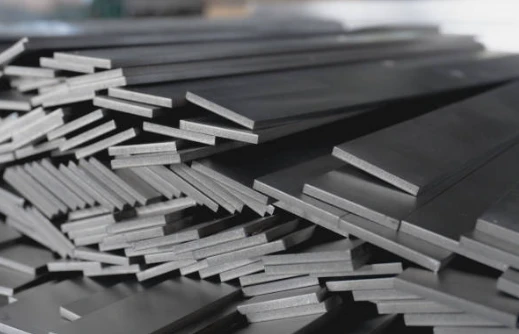
The Science of Corrosion Resistance: How Titanium Protects Itself
Titanium reacts instantly with oxygen whenever exposed to air or water. This natural reaction forms a microscopic titanium dioxide ($TiO_2$) protective film over the metal surface.
The oxide layer measures only a few nanometers thick, yet it remains extremely tough. If scratch damage breaks the metal surface, oxygen repairs the oxide barrier instantly. This self-healing ability gives titanium incredible longevity in demanding industrial environments.
- Spontaneous Regeneration: The passive oxide film repairs itself within milliseconds in oxygen-rich environments.
- Chemical Inertness: It resists attack from wet chlorine, nitric acid, organic acids, and salt solutions.
- Thermal Stability: The protective layer remains completely stable across extreme hot and cold temperature ranges.
- Tough Adhesion: The oxide film bonds tightly to the underlying metal, preventing flaking under mechanical stress.
This passive film shields the inner metal from chemical reactions. As long as oxygen or water vapor is present, the surface barrier stays fully intact.
Comparing Titanium Strip to Stainless Steel and Nickel Alloys
Selecting raw materials requires balancing long-term service life against initial material costs. Stainless steel 316L and nickel alloys work well in mild conditions, but they often fail in aggressive chloride solutions.
Saltwater and hot industrial chemicals cause severe pitting and crevice corrosion in standard steel alloys. A high-quality titanium strip remains immune to seawater corrosion at temperatures up to 260°C (500°F).
|
Performance Metric |
Grade 2 Titanium Strip |
316L Stainless Steel |
Nickel Alloy 600 |
|
Seawater Corrosion Rate |
< 0.001 mm/year |
0.05 mm/year |
0.01 mm/year |
|
Resistance to Pitting |
Exceptional |
Moderate |
High |
|
Weight Density |
$4.51 g/cm^3$ |
$8.00 g/cm^3$ |
$8.47 g/cm^3$ |
|
Oxide Film Repair |
Instantaneous |
Slow |
Moderate |
|
Service Life in Chlorides |
30+ Years |
3-5 Years |
10-15 Years |
Titanium weighs roughly 45% less than stainless steel while offering superior strength-to-weight ratios. Switching to thin metal strips lowers overall equipment weight and extends maintenance cycles significantly.
Grade 2 Titanium Strip: The Industry Workhorse
Commercially pure titanium comes in four distinct grades, numbered Grade 1 through Grade 4. Grade 2 titanium balances excellent ductility, high corrosion resistance, and good weldability.
Engineers widely prefer Grade 2 when manufacturing thin coiled strip products. It provides the optimal combination of formability and mechanical strength for stamped components.
Standard Specifications: ASTM B265, ASME SB265
Purity Level: Minimum 98.9% pure titanium content
Tensile Strength: Minimum 345 MPa (50,000 psi)
Yield Strength: 275 MPa to 450 MPa
Elongation Rate: Minimum 20% for flexible shaping operations
Form Factor Availability: Thicknesses from 0.1 mm to 3.0 mm
This material bends easily into tight radii without cracking. Industrial stampers use continuous coiled strips to produce heat exchanger plates, valve gaskets, and pump diaphragms efficiently.
Key Industrial Environments Where Titanium Strip Excels
Severe working conditions rapidly destroy conventional industrial equipment. Utilizing a reliable titanium strip prevents unexpected shutdowns in critical infrastructure projects.

Marine and Desalination Infrastructure
Seawater contains high concentrations of aggressive chloride ions. Titanium completely resists pitting, crevice corrosion, and biofouling in marine environments. Offshore oil rigs and coastal power plants rely heavily on titanium tubing and plate heat exchangers.
Chemical Processing Facilities
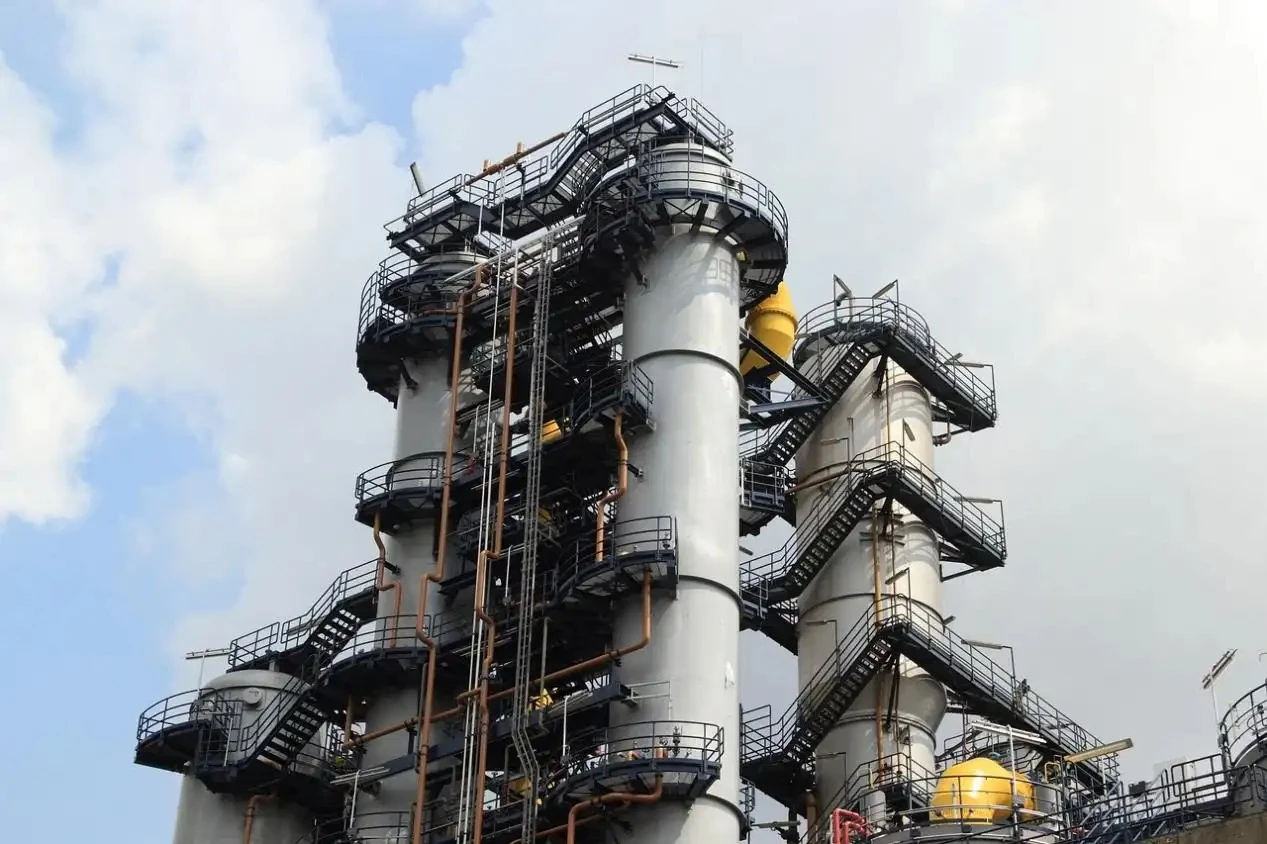
Chemical plants handle volatile acids, oxidizing agents, and chlorine gas. Titanium maintains structural integrity in nitric acid, chromic acid, and organic acids. It withstands harsh chemical baths where stainless steels corrode rapidly.
Power Generation Facilities
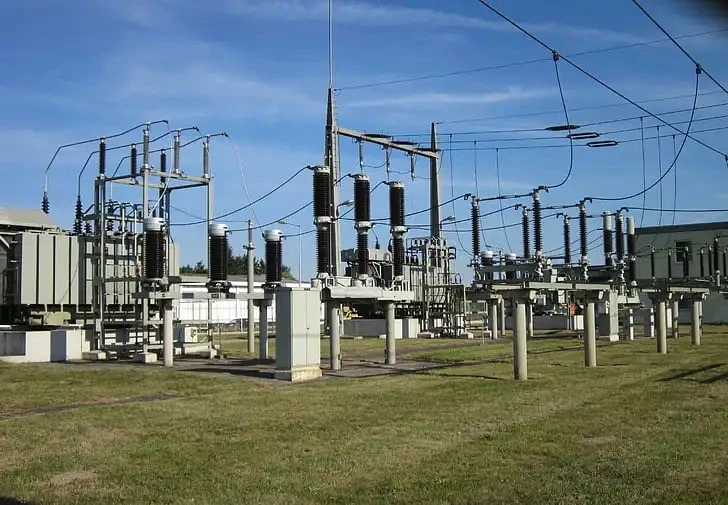
Modern power stations circulate huge volumes of cooling water through condenser tubes. Thin metal strips formed into welded tubes prevent cooling water leaks. This protection eliminates expensive turbine contamination and preserves boiler water purity.
Electrochemical and Anodizing Applications
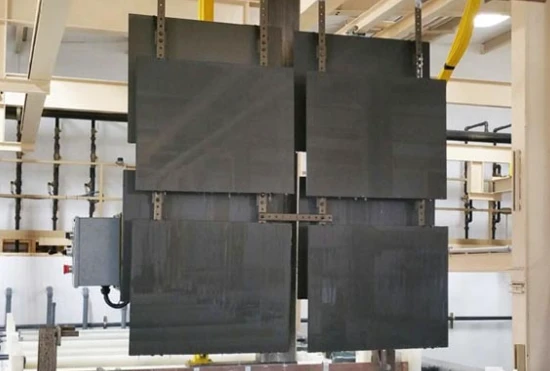
Electroplating and wastewater treatment systems generate harsh electrical and chemical reactions. Titanium strips serve as durable anode substrates, cathode frames, and rack components due to their chemical inertness.
Why Form Factor Matters: Thin Strip vs. Heavy Plates or Sheets
Why select a thin continuous strip over flat metal sheet or thick plate? The physical shape of your raw material plays a massive role in manufacturing efficiency.
Precision rolling technology converts raw metal ingots into continuous coils with tight dimensional tolerances.
Automated High-Speed Stamping: Coiled strip feeds directly into automated stamping presses, maximizing production output.
Minimal Scrap Material: Custom width slitting reduces material waste during component stamping operations.
Continuous Tube Production: Strip material feeds smoothly into automatic welding lines to manufacture high-precision thin-wall tubing.
Flexible Custom Gauges: Cold rolling mills produce ultra-thin strip down to 0.1 mm for delicate gaskets and diaphragms.
Thin metal ribbons allow design engineers to create compact, lightweight heat exchangers. These compact systems transfer heat efficiently while saving valuable floor space.
What B2B Buyers Should Evaluate When Sourcing Titanium Strip
Sourcing premium industrial metals requires thorough vendor evaluation. Quality variations in raw titanium sponge or cold rolling can cause unexpected field failures.
Purchasing managers should review four crucial quality indicators when selecting a manufacturing partner.
Chemical Composition Certification
Ensure your vendor provides full Mill Test Certificates (MTC) compliant with EN 10204 3.1. The certificate must confirm exact element limits for iron, oxygen, carbon, nitrogen, and hydrogen.
Precision Surface Quality
Cold-rolled material must feature a smooth, bright metallic finish without cracks, roll marks, or heavy oxidation. Clean surfaces guarantee uniform corrosion resistance and defect-free welding.
Strict Dimensional Tolerances
Laser micrometers should monitor strip thickness along the entire coil length. Consistent gauge thickness prevents stamping die damage and ensures predictable structural performance.
Quality Management Standards
Partner with manufacturers operating certified ISO 9001 and AS9100 quality management systems. Recognized certifications confirm rigorous testing at every manufacturing step.
References
Leyens, C., & Peters, M. (2003). Titanium and Titanium Alloys: Fundamentals and Applications. Wiley-VCH.
Lutjering, G., & Williams, J. C. (2007). Titanium (Engineering Materials and Processes). Springer.
Donachie, M. J. (2000). Titanium: A Technical Guide (2nd Edition). ASM International.
ASTM International. (2020). ASTM B265 - Standard Specification for Titanium and Titanium Alloy Strip, Sheet, and Plate. ASTM Standards.
Froes, F. H. (2015). Titanium: Physical Metallurgy, Processing, and Applications. ASM International.
Boyer, R., Welsch, G., & Collings, E. W. (1994). Materials Properties Handbook: Titanium Alloys. ASM International.
Partner with TSM Titanium for Corrosion-Resistant Solutions
TSM Technology Co., Ltd. is a leading global manufacturer of high-performance titanium products. We operate state-of-the-art cold rolling mills, vacuum annealing furnaces, and precision slitting lines.
Our factory produces high-grade titanium strip inventory adhering to ASTM B265 and ASME SB265 standards. We supply Grade 1, Grade 2, Grade 5, and Grade 7 mill products to clients worldwide.
- Direct Factory Pricing: Lower your material costs by sourcing directly from our primary production facilities.
- Tailored Product Dimensions: We offer custom thickness, width, and coil weight configurations to fit your machinery.
- Comprehensive Testing Facilities: In-house laboratories verify tensile strength, yield strength, surface quality, and chemical composition.
- Secure Export Packaging: We pack all export coils in heavy-duty wooden cases with waterproof moisture barriers.
- Fast Global Shipping: Extensive raw material stock allows rapid order processing and short delivery lead times.
We are here for you
To create the top brand in the field of titanium products


