


When engineers need a lightweight and corrosion-resistant material, Titanium Strip is often one of the first choices they consider. Aerospace and medical industries use titanium strip because it offers a unique combination of strength, low density, corrosion resistance, and excellent biocompatibility.
From aircraft components to medical devices, titanium strip supports applications where material reliability is critical. Manufacturers choose it when traditional metals cannot provide the required performance.
Among different titanium grades, Grade 2 titanium strip is widely used for industrial applications because it provides a balanced combination of mechanical properties and fabrication performance. It is easy to form, weld, and process while maintaining excellent corrosion resistance.
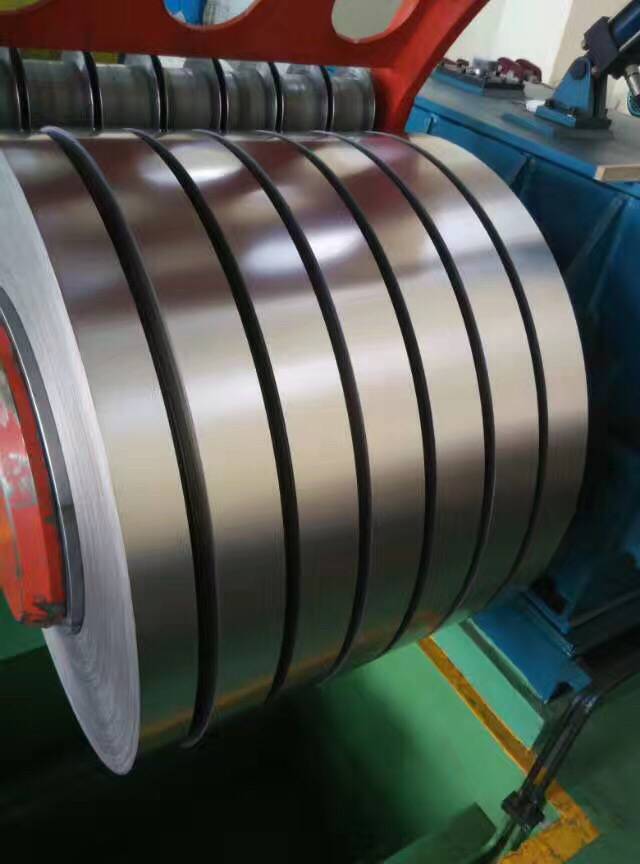
What Is Titanium Strip?
Titanium strip is a thin, flat titanium product manufactured by rolling. It is available in different thicknesses, widths, surface finishes, and material grades.
Compared with titanium plate or sheet, titanium strip usually refers to narrower products used for precision components, fabrication parts, and specialized applications.
Common commercially pure titanium grades include:
- Grade 1 titanium
- Grade 2 titanium
- Grade 3 titanium
- Grade 4 titanium
Among these grades, Grade 2 titanium strip is one of the most commonly selected materials. It provides a practical balance between strength, ductility, weldability, and corrosion resistance.
Titanium strip is usually supplied according to industry standards such as ASTM B265 for titanium and titanium alloy strip, sheet, and plate products.
Typical titanium strip features include:
- High strength-to-weight ratio
- Excellent corrosion resistance
- Good fatigue performance
- Low thermal expansion
- Strong resistance to seawater and many chemicals
These properties make titanium strip suitable for industries that require long-term reliability.
Why Do Aerospace Manufacturers Use Titanium Strip?
The aerospace industry has strict material performance requirements. Aircraft components must remain strong under changing temperatures, vibration, stress, and environmental exposure.
Titanium strip helps aerospace manufacturers solve these challenges.
Lightweight Performance
Weight reduction is a major goal in aerospace engineering.
Titanium has a lower density than many steel materials while maintaining strong mechanical properties.
Reducing aircraft weight can help improve:
Fuel efficiency
Payload capacity
Overall performance
Titanium strip is valuable when manufacturers need thin, strong, and lightweight components.
Corrosion Resistance
Aircraft operate in environments where moisture, temperature changes, and chemicals can affect materials.
Titanium naturally forms a protective oxide layer on its surface. This layer helps provide strong corrosion resistance.
This makes titanium strip suitable for aerospace parts exposed to demanding conditions.
High Reliability
Aerospace components often require long service life.
Titanium strip can support applications where manufacturers need:
Stable mechanical performance
Resistance to environmental damage
Reduced maintenance requirements
The material's reliability makes it suitable for aircraft and aerospace systems.
Which Aerospace Applications Use Titanium Strip?
Different aerospace manufacturers use titanium strip for various components.
Common applications include:
Aircraft Structures
Titanium materials are used in areas where strength and weight savings are important.
Applications may include:
Structural brackets
Support components
Precision formed parts
Engine-Related Components
Aircraft engines operate under extreme conditions.
Titanium alloys are widely used in engine applications. Commercially pure titanium strip may be selected for specific components requiring corrosion resistance and fabrication flexibility.
Fasteners and Thin Components
Titanium strip can be processed into smaller components and precision parts.
Its lightweight characteristics make it attractive for aerospace manufacturers looking to reduce total system weight.
Defense and Space Applications
Space and defense equipment require materials that can perform in challenging environments.
Titanium strip may support:
Lightweight assemblies
Corrosion-resistant parts
Specialized manufacturing projects
The exact grade depends on mechanical requirements and engineering specifications.
Why Do Medical Manufacturers Choose Titanium Strip?
The medical industry uses titanium because it combines strength, lightweight performance, and excellent compatibility with the human body.
Titanium is widely recognized as a material suitable for many medical applications.
Excellent Biocompatibility
One of titanium's most important advantages in medical applications is biocompatibility.
Titanium interacts well with human tissue compared with many other metals.
This property supports the production of medical implants and devices.
Corrosion Resistance Inside the Human Body
Medical devices must maintain performance in complex biological environments.
Titanium's stable oxide layer helps protect the material from corrosion.
This contributes to long-term material reliability.
Strength and Lightweight Design
Medical devices often require both strength and comfort.
Titanium provides high strength while remaining lightweight.
This helps manufacturers create durable medical components without adding unnecessary weight.
What Medical Products Use Titanium Strip?
Titanium strip supports many medical manufacturing processes.
Common applications include:
Surgical Instruments
Medical equipment manufacturers may use titanium materials for instruments requiring:
Corrosion resistance
Lightweight design
Sterilization durability
Implant Components
Titanium alloys are common in implants. Commercially pure titanium grades may also be selected for specific medical requirements.
Possible applications include:
Dental components
Orthopedic components
Medical device parts
Medical Device Manufacturing
Titanium strip can support precision manufacturing for medical equipment.
Manufacturers value:
Consistent thickness
Good surface quality
Reliable material properties
Why Is Grade 2 Titanium Strip Popular in These Industries?
Grade 2 titanium strip is widely selected because it offers balanced performance.
It provides:
- Good corrosion resistance
- Moderate strength
- Excellent ductility
- Good weldability
- Reliable fabrication performance
Compared with higher-strength titanium alloys, Grade 2 is often easier to process.
This makes it suitable for applications where manufacturing flexibility is important.
Engineers often choose Grade 2 titanium strip when they need a dependable commercially pure titanium material rather than maximum strength.
Titanium Strip Manufacturing Processes for Aerospace and Medical Uses
The final performance of titanium strip depends on manufacturing quality.
A typical production process may include:
Rolling
Rolling controls the thickness and dimensions of the titanium strip.
Cold rolling can improve:
Thickness accuracy
Surface quality
Dimensional consistency
Heat Treatment
Heat treatment, especially annealing, can help improve ductility and reduce internal stress after processing.
This is important for forming and fabrication.
Surface Finishing
Surface condition affects the final application.
Common finishes may include:
Cold rolled surface
Polished surface
Ground surface
Quality Inspection
Reliable suppliers provide inspection documentation.
Important checks may include:
Chemical composition
Mechanical testing
Dimensional inspection
Material traceability
For aerospace and medical industries, consistent quality control is essential.
How to Select a Titanium Strip Supplier?
Choosing the right titanium strip supplier can affect product performance and project success.
Before purchasing, consider these factors:
Material Standard
Confirm the required:
Titanium grade
ASTM specification
Product condition
Manufacturing Experience
A qualified titanium strip manufacturer should understand:
Rolling technology
Heat treatment processes
Precision requirements
Quality Documentation
Ask for:
Material test certificates
Inspection reports
Traceability records
Custom Capability
Different industries require different dimensions.
A supplier should support:
Customized thickness
Customized width
Special surface requirements
Why Choose TSM Technology for Titanium Strip?
TSM Technology specializes in titanium products for global customers across aerospace, medical, chemical, marine, and industrial markets.
The company provides titanium strips, plates, bars, tubes, forgings, fasteners, and customized titanium solutions.
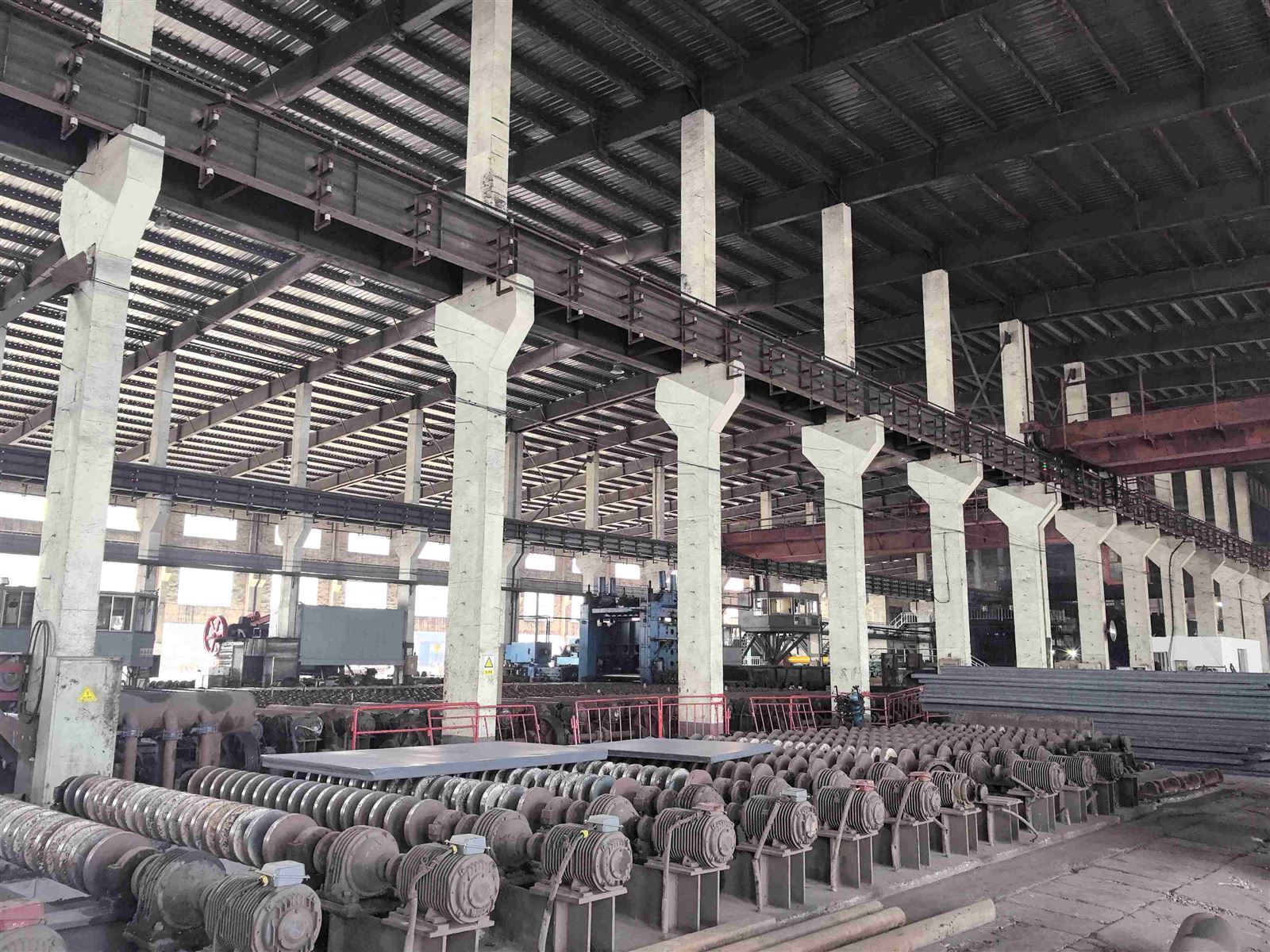
With more than 15 years of titanium manufacturing experience and a 60,000㎡ production facility, TSM Technology focuses on stable production, quality control, and technical support.
For Grade 2 titanium strip, TSM Technology supports customers with:
- Material selection assistance
- Customized dimensions
- Production control
- Inspection documentation
A reliable titanium manufacturer helps customers reduce sourcing risks and achieve consistent product performance.
Final Thoughts
Aerospace and medical manufacturers choose Titanium Strip because it offers a rare combination of lightweight performance, corrosion resistance, strength, and reliability.
In aerospace applications, titanium strip helps reduce weight while maintaining durability.
In medical applications, titanium supports safe and long-lasting products because of its excellent material compatibility.
Grade 2 titanium strip remains one of the most practical choices for many industrial applications due to its balanced properties.
References
ASTM International. ASTM B265 Standard Specification for Titanium and Titanium Alloy Strip, Sheet, and Plate.
ASM International. ASM Handbook Volume 2: Properties and Selection of Nonferrous Alloys and Special-Purpose Materials.
Donachie, Matthew J. Titanium: A Technical Guide.
Leyens, Christoph and Manfred Peters. Titanium and Titanium Alloys: Fundamentals and Applications.
Boyer, Rodney, Gerhard Welsch, and E. W. Collings. Materials Properties Handbook: Titanium Alloys.
International Titanium Association. Titanium Applications and Technical Information.
Contact Us:
For expert guidance on selecting Titanium Grade 7 plate or Grade 2 plate for marine applications, contact TSM Technology. Our technical team is ready to support your project with professional titanium solutions.
Email: info@tsm-titanium.com
We are always at your service when you need
TSM Technology, one of the leading Asian suppliers of high-performance titanium-based materials in China, specializes in factory-made products such as titanium tubes, welded titanium pipes and fittings, titanium flanges, titanium fasteners and nuts, titanium plates and rods, among others.
They are widely used in the construction of heat exchangers, condensers, power plants, seawater desalination facilities, oil and gas pipelines, chlor-alkali plants, and other related fields.
Number of Employees
years experience
Modern factory
Global Supply
We are here for you
To create the top brand in the field of titanium products


