


Hastelloy C22 and Hastelloy C276 are both high-performance nickel alloy tubes used in chemical processing, but they are optimized for different environments. C22 offers superior resistance to oxidizing acids and mixed chemical environments, while C276 provides more balanced corrosion resistance in both oxidizing and reducing conditions, especially in chloride-rich and harsh industrial media. Choosing between them depends on the specific chemical exposure, temperature, and process conditions.

Introduction
In modern chemical processing industries, material failure is often caused by corrosion rather than mechanical stress. That is why nickel-based alloys like Hastelloy C22 (UNS N06022) and Hastelloy C276 (UNS N10276) are widely used in critical equipment such as:
- Heat exchangers
- Reactors
- Acid transfer pipelines
- Evaporators
- Chloride-rich process systems
Both alloys are considered "premium corrosion-resistant materials," but they are not interchangeable in all environments.
Understanding their differences is essential for engineers, procurement managers, and plant designers who aim to maximize equipment life, safety, and lifecycle cost efficiency.
Chemical Composition Comparison
Although both alloys belong to the Hastelloy family, their chemistries differ significantly.
Composition Table
|
Element |
Hastelloy C22 |
Hastelloy C276 |
|
Nickel (Ni) |
Balance |
Balance |
|
Chromium (Cr) |
20–22.5% |
15–17% |
|
Molybdenum (Mo) |
12.5–14.5% |
15–17% |
|
Iron (Fe) |
2–6% |
4–7% |
|
Tungsten (W) |
- |
3–4.5% |
|
Cobalt (Co) |
≤2.5% |
3–7% |
|
Carbon (C) |
≤0.015% |
≤0.03% |
Key Insight
C22 → Higher Chromium → Better oxidizing acid resistance
C276 → Higher Molybdenum + Tungsten → Better reducing acid + chloride resistance
Corrosion Resistance Comparison
This is the most important difference between the two alloys.
Performance in Chemical Environments
|
Environment |
C22 |
C276 |
Winner |
|
Nitric Acid |
Excellent |
Very Good |
C22 |
|
Phosphoric Acid |
Excellent |
Excellent |
Tie |
|
Hydrochloric Acid |
Good |
Excellent |
C276 |
|
Sulfuric Acid |
Good–Very Good |
Excellent |
C276 |
|
Chloride Solutions |
Very Good |
Excellent |
C276 |
|
Mixed Acid Systems |
Excellent |
Excellent |
Depends |
Why C22 Performs Better in Oxidizing Acids
C22 has a higher chromium content, which forms a more stable passive oxide layer in:
- Nitric acid plants
- Oxidizing chemical processes
- Wet chlorine systems
This makes it extremely effective in strongly oxidizing environments.
Why C276 Performs Better in Harsh Industrial Conditions
C276 contains more molybdenum and tungsten, which significantly improves:
- Resistance to pitting corrosion
- Crevice corrosion resistance
- Stability in reducing acids
- Performance in chloride-rich environments
This is why C276 is often used in:
Hydrochloric acid systems
Seawater exposure
Mixed chemical waste streams
Mechanical Properties Comparison
Both alloys offer strong mechanical performance, but C276 is slightly more robust in structural applications.
|
Environment |
C22 |
C276 |
Winner |
|
Nitric Acid |
Excellent |
Very Good |
C22 |
|
Phosphoric Acid |
Excellent |
Excellent |
Tie |
|
Hydrochloric Acid |
Good |
Excellent |
C276 |
|
Sulfuric Acid |
Good–Very Good |
Excellent |
C276 |
|
Chloride Solutions |
Very Good |
Excellent |
C276 |
|
Mixed Acid Systems |
Excellent |
Excellent |
Depends |
Key Observation
C22 → higher strength
C276 → better corrosion-driven durability
Application Differences
Hastelloy C22 Tube Applications
C22 is widely used in:
- Nitric acid production systems
- Wet chlorine systems
- Pharmaceutical chemical processing
- Oxidizing chemical reactors
- Bleaching systems in pulp & paper
Best for strong oxidizing environments
Hastelloy C276 Tube Applications
C276 is used in more aggressive and mixed environments:
- Hydrochloric acid systems
- Sulfuric acid processing
- Wastewater treatment
- Flue gas desulfurization systems
- Marine and seawater systems
- Heat exchangers in chemical plants
Best for mixed and reducing corrosive environments
Application Summary Table
|
Application |
C22 |
C276 |
|
Nitric acid plant |
Excellent |
Good |
|
Hydrochloric acid system |
Fair |
Excellent |
|
Heat exchanger |
Good |
Excellent |
|
Marine system |
Very Good |
Excellent |
|
Mixed acid environment |
Excellent |
Excellent |
Heat Exchanger Performance
Both alloys are widely used in heat exchangers, but selection depends on fluid type:

C22 In Heat Exchangers
- Oxidizing acid streams
- Nitric acid cooling systems
- Bleaching chemical exchangers
C276 In Heat Exchangers
- Chloride-containing fluids
- Seawater cooling systems
- Mixed acid industrial processes

Cost Comparison
|
Factor |
C22 |
C276 |
|
Raw Material Cost |
High |
High |
|
Availability |
Moderate |
High |
|
Fabrication Cost |
Similar |
Similar |
|
Lifecycle Cost |
Low in oxidizing service |
Lower in general chemical service |
Important insight:
C22 is cost-effective only in oxidizing environments
C276 provides broader application value
How To Choose Between C22 And C276
Choose Hastelloy C22 Tube If:
Your system contains strong oxidizing acids
Nitric acid is dominant
You need maximum oxidation resistance
Chloride exposure is limited
Choose Hastelloy C276 Tube If:
You deal with hydrochloric acid or chlorides
The system has mixed chemical environments
You need universal corrosion resistance
Equipment operates in unpredictable chemistry
Engineering Insight (Important For Buyers)
Many failures in chemical plants occur because:
Material was selected based only on cost
Oxidizing vs reducing chemistry was ignored
Chloride content was underestimated
In practice:
C22 = specialized oxidizing protection
C276 = universal corrosion protection
Quality Standards For Both Alloys
Both C22 and C276 tubes are commonly manufactured under:
ASTM B622 (seamless tube standard)
ASTM B619 / B626 (welded tubes)
ASME SB standards
EN 10204 3.1 certification
Testing includes:
- PMI testing
- Hydrostatic testing
- Ultrasonic / Eddy current testing
- Tensile and hardness testing
FAQ
Q: Is Hastelloy C22 Better Than C276?
A: Neither is "better"-they are optimized for different environments. C22 is better in oxidizing acids, while C276 is better in chloride and mixed chemical environments.
Q: Can C276 Replace C22?
A: Only in many cases. However, in pure nitric acid systems, C22 performs better.
Q: Which Is More Corrosion Resistant?
A: Overall chemical versatility: C276 wins
Oxidizing acids: C22 wins
Q: Which Is More Widely Used?
A: C276 is more widely used due to its broader application range.
Q: Are Both Suitable For Heat Exchangers?
A: Yes, both are widely used depending on process fluid.
Conclusion
Hastelloy C22 and C276 tubes are both premium nickel alloy solutions, but they serve different engineering purposes:
C22 → Best for oxidizing chemical environments
C276 → Best for universal, mixed, and chloride-rich environments
For chemical processing industries, selecting the correct alloy directly impacts:
- Equipment lifespan
- Maintenance cost
- Safety performance
- Process stability
Contact Us:
If you are unsure which material is suitable for your project, TSM Technology can provide professional selection support and supply certified:
Hastelloy C22 Tube
Hastelloy C276 Tube
Other nickel alloy tubing solutions
Email: info@tsm-titanium.com
We are always at your service when you need
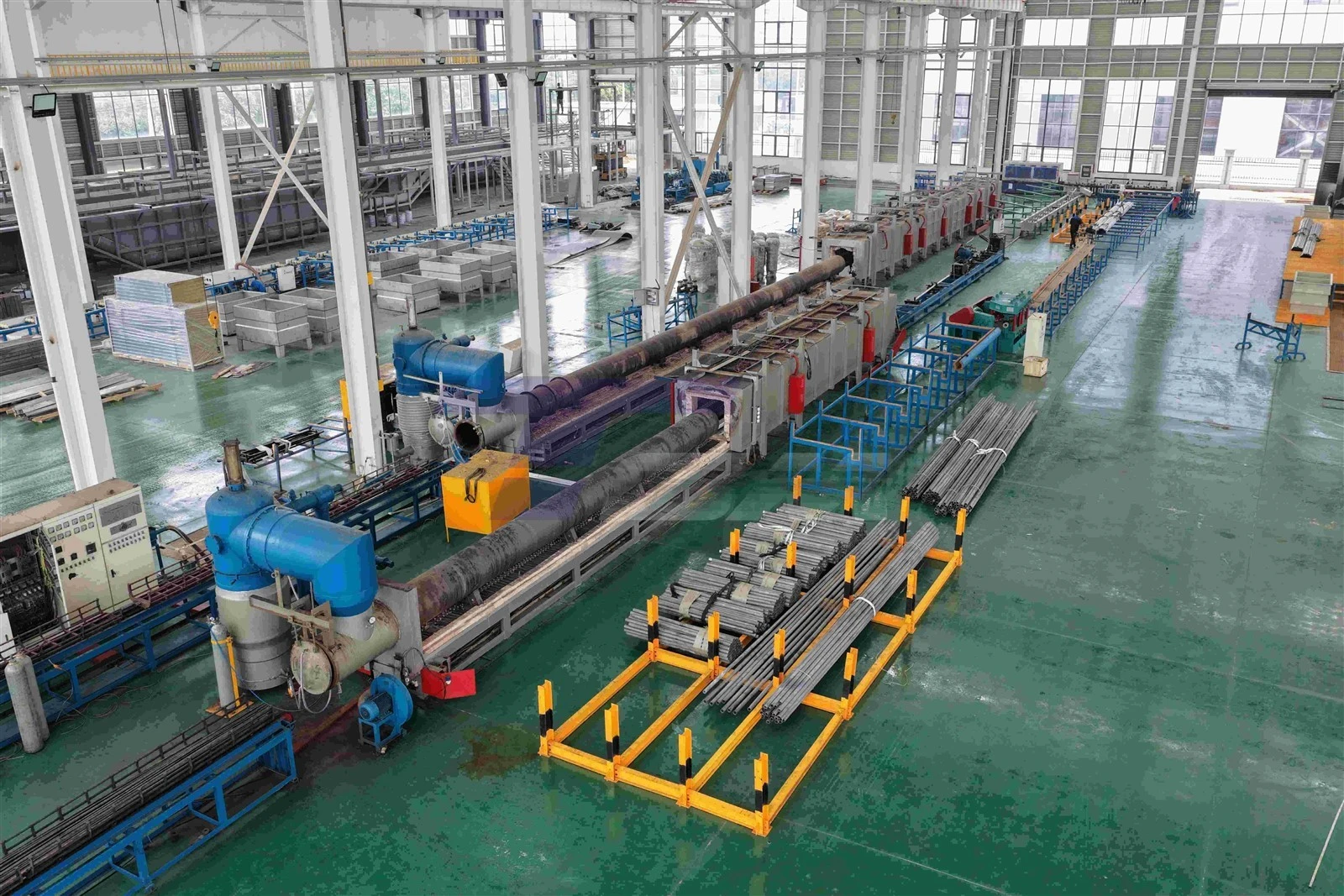
TSM Technology, one of the leading Asian suppliers of high-performance titanium-based materials in China, specializes in factory-made products such as titanium tubes, welded titanium pipes and fittings, titanium flanges, titanium fasteners and nuts, titanium plates and rods, among others.
They are widely used in the construction of heat exchangers, condensers, power plants, seawater desalination facilities, oil and gas pipelines, chlor-alkali plants, and other related fields.
Number of Employees
years experience
Modern factory
Global Supply


