


Hastelloy C22 tube is a high-performance nickel-chromium-molybdenum alloy tube (UNS N06022) designed for exceptional resistance to oxidizing acids, mixed chemical environments, and localized corrosion such as pitting and crevice corrosion. It is widely used in chemical processing, heat exchangers, pharmaceutical equipment, and pollution control systems where conventional stainless steels fail.

Introduction
In modern industrial systems, material failure is often caused by corrosion rather than mechanical stress. Chemical plants, especially those handling aggressive acids and oxidizers, require tubing materials that can ensure long-term stability.
Hastelloy C22 (also known as Alloy C22) is one of the most versatile corrosion-resistant nickel alloys available today. Its balanced composition of nickel, chromium, molybdenum, and iron provides broad resistance across oxidizing and reducing environments, making it a preferred choice for critical industrial applications.
TSM Technology supplies ASTM B622 certified Hastelloy C22 seamless tubes, offering full traceability and custom manufacturing for global chemical industries.
Chemical Composition Of Hastelloy C22
|
Element |
Content (%) |
|
Nickel (Ni) |
Balance |
|
Chromium (Cr) |
20.0 – 22.5 |
|
Molybdenum (Mo) |
12.5 – 14.5 |
|
Iron (Fe) |
2.0 – 6.0 |
|
Tungsten (W) |
≤3.0 |
|
Cobalt (Co) |
≤2.5 |
|
Carbon (C) |
≤0.015 |
Key Role of Elements
Chromium (Cr): Enhances oxidation resistance
Molybdenum (Mo): Improves pitting and crevice corrosion resistance
Nickel (Ni): Provides overall chemical stability
Tungsten (W): Strengthens resistance in aggressive media
Key Properties Of Hastelloy C22 Tube
1. Outstanding Corrosion Resistance
Hastelloy C22 is known for resisting a wide range of corrosive environments:
|
Environment |
Performance |
|
Oxidizing acids (Nitric acid) |
Excellent |
|
Wet chlorine systems |
Excellent |
|
Mixed acid environments |
Excellent |
|
Chloride-containing media |
Very Good |
|
Reducing acids |
Good |
It performs particularly well in complex chemical environments where multiple corrosive agents are present.
2. Mechanical Properties
|
Property |
Value |
|
Tensile Strength |
~690 MPa |
|
Yield Strength |
~310 MPa |
|
Elongation |
~40–45% |
|
Hardness |
Moderate |
|
Fabricability |
Excellent |
These properties make C22 suitable for high-stress industrial applications while maintaining corrosion resistance.
3. Thermal Stability
Hastelloy C22 maintains stability in moderate to high temperature environments, making it suitable for:
Heat exchangers
Evaporators
Reactor tubing systems
Hastelloy C22 Tube Manufacturing Standards
Common industry standards include:
- ASTM B622 (Seamless tubes)
- ASTM B619 / B626 (Welded tubes)
- ASME SB622
- EN 10204 3.1 Certification
Testing typically includes:
- PMI testing
- Hydrostatic testing
- Ultrasonic / Eddy current testing
- Mechanical property testing
Industrial Applications Of Hastelloy C22 Tube
1. Chemical Processing Industry
C22 tubes are widely used in:
Acid reaction systems
Chlorination plants
Chemical transfer pipelines
Reactor cooling systems
2. Heat Exchangers
Hastelloy C22 tubes are ideal for:
Corrosive heat exchangers
Condensers
Evaporators
Cooling coils
They ensure long service life and stable heat transfer efficiency.
3. Pharmaceutical & Fine Chemical Industry
Used where high purity and corrosion resistance are required, including:
Sterile chemical processing
API manufacturing systems
Clean chemical transport lines
4. Pollution Control Systems
C22 is used in:
Flue gas scrubbers
Waste treatment systems
Acid gas neutralization units
Hastelloy C22 Vs Other Alloys
|
Alloy |
Corrosion Resistance |
Best Application |
|
C22 |
Excellent (broad spectrum) |
Mixed chemical environments |
|
C276 |
Excellent (chloride-heavy systems) |
Harsh acid + chloride environments |
|
316L Stainless Steel |
Moderate |
Mild environments only |
Key takeaway:
C22 is a universal corrosion-resistant solution for mixed and oxidizing environments.
Tube Size And Specification Range
|
Parameter |
Range |
|
Outer Diameter |
6 mm – 114.3 mm |
|
Wall Thickness |
0.5 mm – 10 mm |
|
Length |
Up to 12 meters |
|
Surface Finish |
BA / Pickled / Polished |
|
Type |
Seamless / Welded |
Custom specifications are available for engineering projects.
Advantages Of Hastelloy C22 Tube
- Exceptional corrosion resistance in mixed acids
- Strong performance in oxidizing environments
- High mechanical strength and ductility
- Long service life with low maintenance
- Suitable for complex chemical systems
- Reliable performance under harsh conditions
FAQ
Q1: What is Hastelloy C22 tube used for?
It is used in chemical processing, heat exchangers, pollution control, and acid handling systems.
Q2: Is Hastelloy C22 better than stainless steel?
Yes, it offers significantly better corrosion resistance in harsh chemical environments.
Q3: Can C22 resist hydrochloric acid?
It has moderate resistance, but C276 is generally preferred for strong HCl environments.
Q4: Is C22 suitable for heat exchangers?
Yes, especially in oxidizing or mixed chemical conditions.
Q5: What is the UNS number of C22?
UNS N06022.
Conclusion
Hastelloy C22 tube is a high-performance nickel alloy solution designed for extreme chemical environments, offering excellent resistance to oxidizing acids, mixed chemicals, and localized corrosion.
It is widely used in chemical processing, heat exchangers, pharmaceutical systems, and environmental engineering, where reliability and long service life are critical.
For certified ASTM B622 Hastelloy C22 tubes, TSM Technology provides custom manufacturing, full traceability, and global supply support.
Email: info@tsm-titanium.com
We are always at your service when you need
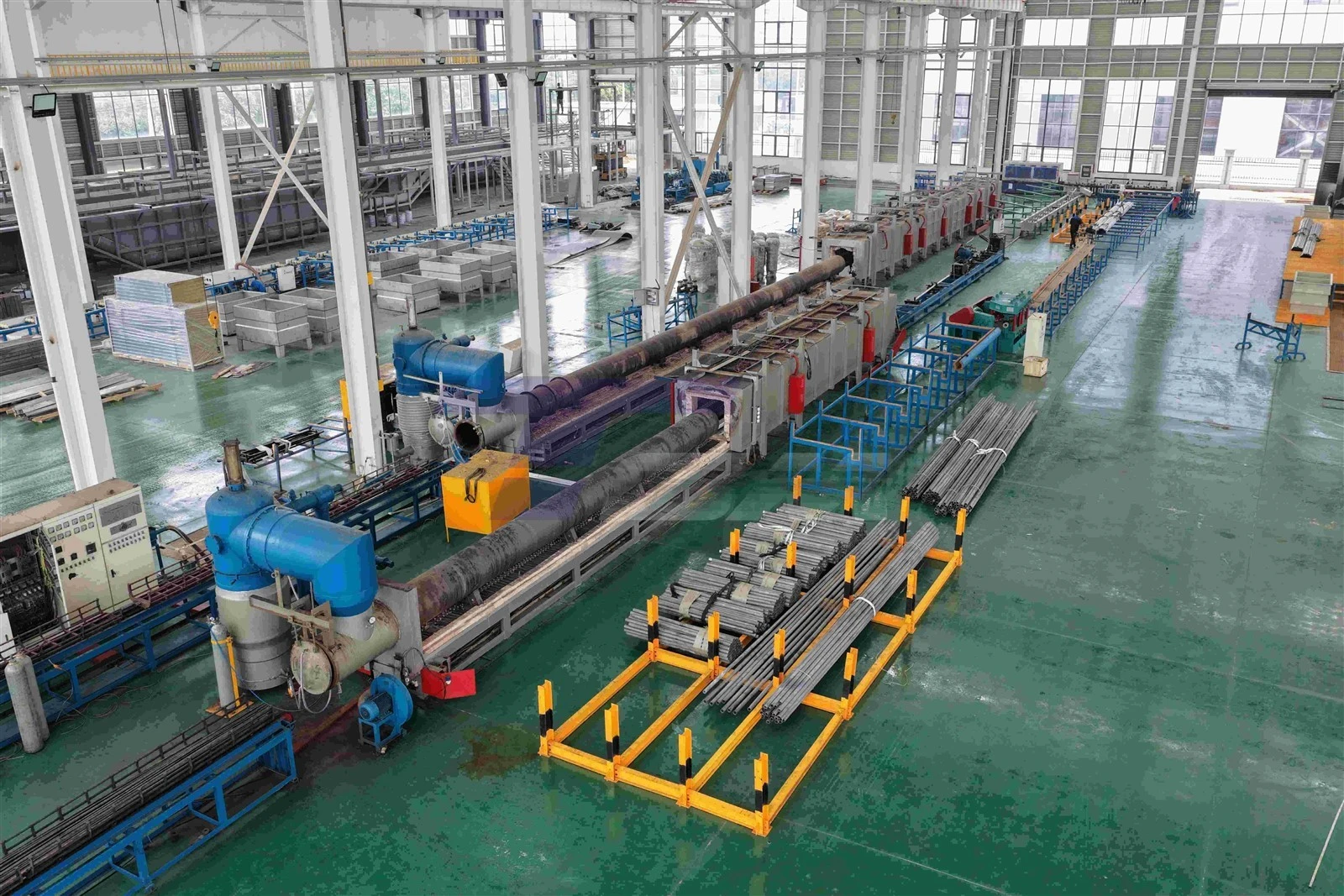
TSM Technology, one of the leading Asian suppliers of high-performance titanium-based materials in China, specializes in factory-made products such as titanium tubes, welded titanium pipes and fittings, titanium flanges, titanium fasteners and nuts, titanium plates and rods, among others.
They are widely used in the construction of heat exchangers, condensers, power plants, seawater desalination facilities, oil and gas pipelines, chlor-alkali plants, and other related fields.
Number of Employees
years experience
Modern factory
Global Supply


