


Titanium Strip Grades for Precision Manufacturing
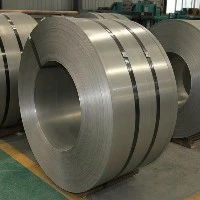
Choose the right titanium strip for your application with confidence. Our titanium strip selection is designed for manufacturers, engineers, fabricators, and procurement teams that need dependable material performance across demanding environments. Whether you need commercially pure titanium for excellent corrosion resistance or titanium alloy grades for higher strength, we can help you compare options and request the grade that fits your project.
If you are asking, "What grades of titanium strip are available?", the answer depends on your strength, formability, temperature, weight, corrosion, and compliance requirements. Below is a practical overview of common titanium material grades and how they are typically used.
Available Titanium Strip Options
Titanium strip is commonly supplied in commercially pure grades and alloyed grades. Each grade offers a different balance of corrosion resistance, ductility, strength, weldability, and cost efficiency.
Commercially Pure Titanium Grades
Commercially pure titanium is valued for corrosion resistance, light weight, formability, and weldability. These grades are often selected when chemical resistance and fabrication performance are more important than maximum strength.
Grade 1 Titanium Strip
Grade 1 is one of the softest and most ductile titanium grades. It is often chosen for applications that require excellent formability, deep drawing, or tight bending. It also offers strong corrosion resistance in many aggressive environments.
Common uses include:
- Chemical processing components
- Heat exchanger parts
- Marine and seawater applications
- Formed or stamped parts
- Medical and industrial equipment components
01
Grade 2 Titanium Strip
Grade 2 is one of the most widely used titanium material grades because it provides a strong balance of corrosion resistance, weldability, ductility, and moderate strength. For many general industrial applications, Grade 2 is a practical and economical choice.
Common uses include:
- Industrial processing equipment
- Gaskets and seals
- Aerospace support components
- Marine hardware
- Power generation parts
- Fabricated assemblies
02
Grade 3 Titanium Strip
Grade 3 provides higher strength than Grade 1 and Grade 2 while still maintaining good corrosion resistance. It is selected when additional mechanical performance is needed without moving into a fully alloyed titanium option.
Common uses include:
- Pressure vessels
- Chemical processing parts
- Structural components
- Heat exchanger elements
- Industrial assemblies
03
Grade 4 Titanium Strip
Grade 4 is the strongest of the common commercially pure titanium grades. It offers high strength while retaining the corrosion resistance associated with unalloyed titanium. It is often used in applications where strength and biocompatibility are important.
Common uses include:
- Medical components
- Aerospace parts
- High-strength industrial components
- Marine applications
- Precision formed parts
04
Titanium Alloy Grades
Titanium alloy grades are engineered for applications that need higher strength, fatigue resistance, heat performance, or specialized mechanical properties. These grades are commonly used in aerospace, motorsport, medical, energy, and high-performance industrial markets.
Grade 5 Titanium Strip
Grade 5, also known as Ti-6Al-4V, is one of the most recognized titanium alloy grades. It offers high strength, low weight, good corrosion resistance, and excellent mechanical performance. It is often specified when commercially pure titanium does not provide enough strength.
Common uses include:
Aerospace components
High-performance engineering parts
Medical devices and implants, when suitable specifications apply
Motorsport components
Structural and load-bearing applications
Precision springs and formed components
Grade 7 Titanium Strip
Grade 7 is similar to Grade 2 but includes palladium for enhanced corrosion resistance, especially in reducing and acidic environments. It is often chosen for severe chemical processing applications where standard commercially pure titanium may not be enough.
Common uses include:
Chemical processing equipment
Acid handling systems
Heat exchangers
Reactor components
Corrosion-critical industrial parts
Grade 9 Titanium Strip
Grade 9, also known as Ti-3Al-2.5V, offers a useful combination of strength, formability, weldability, and corrosion resistance. It is stronger than commercially pure titanium while often being easier to form than Grade 5.
Common uses include:
- Aerospace tubing and strip components
- Sporting goods
- Bicycle and performance equipment
- Marine parts
- Lightweight structural components
- Precision fabricated assemblies
Grade 12 Titanium Strip
Grade 12 is a titanium alloy designed for improved strength and enhanced corrosion resistance. It is commonly considered for chemical, marine, and heat transfer environments where reliable performance is essential.
Common uses include:
- Heat exchangers
- Chemical processing equipment
- Marine components
- Industrial tubing and strip parts
- Fabricated corrosion-resistant assemblies

Quick Titanium Grade Comparison
Use this simplified titanium grade comparison as a starting point when selecting titanium strip:
Best for maximum formability: Grade 1
Best general-purpose commercially pure option: Grade 2
Best commercially pure strength increase: Grade 3 or Grade 4
Best high-strength alloy option: Grade 5
Best for severe corrosion environments: Grade 7 or Grade 12
Best balance of strength and formability among common alloys: Grade 9
This titanium grade chart is intended as a practical overview. Final grade selection should be based on application requirements, applicable standards, mechanical properties, thickness, temper, surface condition, and end-use environment.
Product Features
Our titanium strip products can be supplied for a wide range of manufacturing and fabrication needs. Availability depends on grade, thickness, width, quantity, and required specifications.
Key product features may include:
- Commercially pure and alloy titanium strip options
- Multiple titanium grades for different performance needs
- Lightweight material with high strength-to-weight potential
- Excellent corrosion resistance in many service environments
- Good weldability in selected grades
- Formable options for stamping, bending, and fabrication
- Suitable for industrial, aerospace, medical, marine, and chemical applications
- Custom slit widths and coil options available upon request
- Material documentation available when required
Why Choose Titanium Strip?
Titanium strip is selected when ordinary metals cannot deliver the same combination of light weight, corrosion resistance, and mechanical performance. It is especially valuable in applications where long service life, reduced weight, and resistance to harsh environments can lower total operating costs.
Benefits include:
Lower density than many traditional engineering metals
Strong resistance to many chemicals and saltwater conditions
Durable performance in demanding operating environments
Excellent compatibility with precision fabrication processes
Wide grade selection for custom performance requirements
Long-term value for mission-critical parts
Help Selecting the Right Titanium Grade
Choosing between titanium grades can be challenging, especially when comparing commercially pure titanium to titanium alloy grades. Our team can help you review key selection factors before you order.
Important considerations include:
- Required tensile strength and yield strength
- Corrosion environment
- Forming, stamping, or bending requirements
- Welding requirements
- Operating temperature
- Fatigue and load conditions
- Surface finish expectations
- Thickness and width tolerances
- Industry standards or customer specifications
- Quantity, lead time, and budget
If you already have a drawing, specification, or material callout, send it with your quote request. If you are still comparing titanium material grades, we can help narrow your options based on performance and availability.
Typical Applications
Titanium strip is used across industries where reliability and material performance matter.
Common application areas include:
Aerospace and aviation components
Chemical processing equipment
Heat exchanger plates and parts
Medical device components
Marine and offshore equipment
Electronics and precision hardware
Automotive and motorsport parts
Energy and power generation systems
Industrial springs, clips, and formed parts
Gaskets, shims, and seals
Ordering Information
To request pricing, availability, or technical support, please provide as much detail as possible about your titanium strip requirement.
Useful information includes:
- Desired titanium grade
- Strip thickness
- Strip width
- Coil or cut-to-length preference
- Required quantity
- Surface finish
- Temper or condition
- Applicable standard or specification
- Certification requirements
- Delivery locati0n and timeline
Because titanium pricing and availability can vary by grade, size, and market conditions, quotations are prepared based on your exact requirements.

Request a Titanium Strip Quote
Get the grade, size, and performance profile your project requires. Whether you need Grade 2 titanium strip for general corrosion resistance, Grade 5 for high strength, or support with a detailed titanium grade comparison, our team is ready to help.
Contact us today to request a quote, check availability, or discuss the best titanium strip grade for your application.
Email: info@tsm-titanium.com

Let TSM Technology help you get your project off the ground
Since 2011, TSM Technology is a China-based titanium manufacturer specializing in titanium tubes, plates, bars, forgings, fasteners, flanges, and custom-machined titanium components for aerospace, medical, marine, and industrial applications.


