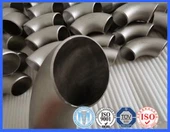
Nickel alloy tubes, especially Hastelloy C22 tubes, are widely used in chemical processing plants due to their outstanding resistance to acids, chlorides, and mixed chemical environments. They are commonly applied in heat exchangers, reactors, pipelines, and pollution control systems where corrosion resistance is more critical than mechanical strength alone.

Introduction
Chemical processing plants operate in highly aggressive environments involving:
- Strong acids (sulfuric acid, hydrochloric acid, nitric acid)
- Chloride-rich solutions and brines
- High-temperature process fluids
- Multi-chemical reaction systems
These conditions make corrosion the primary cause of equipment failure.
To ensure safety and continuous operation, engineers rely on nickel alloy tubes, with Hastelloy C22 being one of the most widely used high-performance materials. TSM Technology supplies high-quality Hastelloy C22 tubes for global chemical processing applications with full ASTM compliance.
Why Nickel Alloy Tubes Are Used in Chemical Plants
Nickel alloy tubes are preferred because they offer:
Petrochemical Solutions
They resist acids, chlorides, and oxidizing media.
01
High temperature stability
Suitable for thermal cycling and high-temperature processes.
02
Long service life
Reduced replacement frequency improves plant efficiency.
03
Reliability in complex chemical systems
Performs well in mixed and unstable chemical environments.
04
Why Hastelloy C22 Tube Is Widely Used
Hastelloy C22 (UNS N06022) is a nickel-chromium-molybdenum alloy designed for broad-spectrum corrosion resistance.
Key advantages:
Strong Acid Resistance
Performs well in sulfuric acid, hydrochloric acid, and mixed acids.
Excellent Chloride Resistance
Resists pitting and crevice corrosion in brine and seawater systems.
Stable Performance In Mixed Environments
Ideal for real industrial chemical processing conditions.
Chemical Composition Advantage
|
Element |
Content (%) |
Function |
|
Nickel (Ni) |
Balance |
Base corrosion resistance |
|
Chromium (Cr) |
20–22.5 |
Oxidation resistance |
|
Molybdenum (Mo) |
12.5–14.5 |
Pitting resistance |
|
Iron (Fe) |
2–6 |
Structural stability |
|
Tungsten (W) |
≤3 |
Strength improvement |
|
Carbon (C) |
≤0.015 |
Prevents carbide formation |
Applications in Chemical Processing Plants
Heat Exchangers
Acid cooling systems
Condensers
Evaporators
Process heat transfer units
Reactor Systems
Chemical synthesis reactors
Mixing vessels
Pressure reaction lines
Pipeline Systems
Acid transport lines
Chloride solution transfer
Intermediate chemical piping
Pollution Control Equipment
Gas scrubbers
Flue gas desulfurization systems
Waste treatment units
Nickel Alloy Tube vs Other Materials
|
Material |
Corrosion Resistance |
Chemical Plant Use |
|
Hastelloy C22 |
Excellent |
Premium choice |
|
Hastelloy C276 |
Excellent |
Extreme environments |
|
Alloy 20 |
Good |
Cost-effective option |
|
316L Stainless Steel |
Poor |
Limited use |
|
Carbon Steel |
Very Poor |
Not suitable |
Key insight:
Hastelloy C22 provides the best balance of corrosion resistance and industrial versatility.
Mechanical Properties
|
Property |
Value |
|
Tensile Strength |
~690 MPa |
|
Yield Strength |
~310 MPa |
|
Elongation |
40–45% |
|
Fabricability |
Excellent |
|
Thermal Stability |
High |
These properties allow safe operation in pressure, temperature, and corrosive environments.
Tube Specification Overview
|
Parameter |
Range |
|
Outer Diameter |
6–114.3 mm |
|
Wall Thickness |
0.5–10 mm |
|
Length |
Up to 12 m |
|
Type |
Seamless / Welded |
|
Standard |
ASTM B622 (seamless) |
Quality Control & Testing
Nickel alloy tubes used in chemical plants must pass strict inspections:
- PMI chemical verification
- Hydrostatic pressure testing
- Eddy current testing
- Ultrasonic inspection
- Mechanical property testing
Standards:
- ASTM B622
- EN 10204 3.1 certification

Engineering Selection Guide
Choose Hastelloy C22 Tube if:
Mixed acid and chloride environments exist
Long service life is required
Heat exchangers or reactors are involved
High corrosion resistance is critical
Consider alternatives if:
Budget is very limited
Environment is mild and non-corrosive
Conclusion
Nickel alloy tubes play a critical role in chemical processing plants where corrosion resistance determines equipment lifespan and operational safety.
Among them, Hastelloy C22 tube stands out due to its:
- Excellent resistance to acids and chlorides
- Strong mechanical performance
- Stability in complex chemical environments
- Long-term industrial reliability
It is widely used in heat exchangers, reactors, pipelines, and pollution control systems across the chemical industry.
We are always at your service when you need
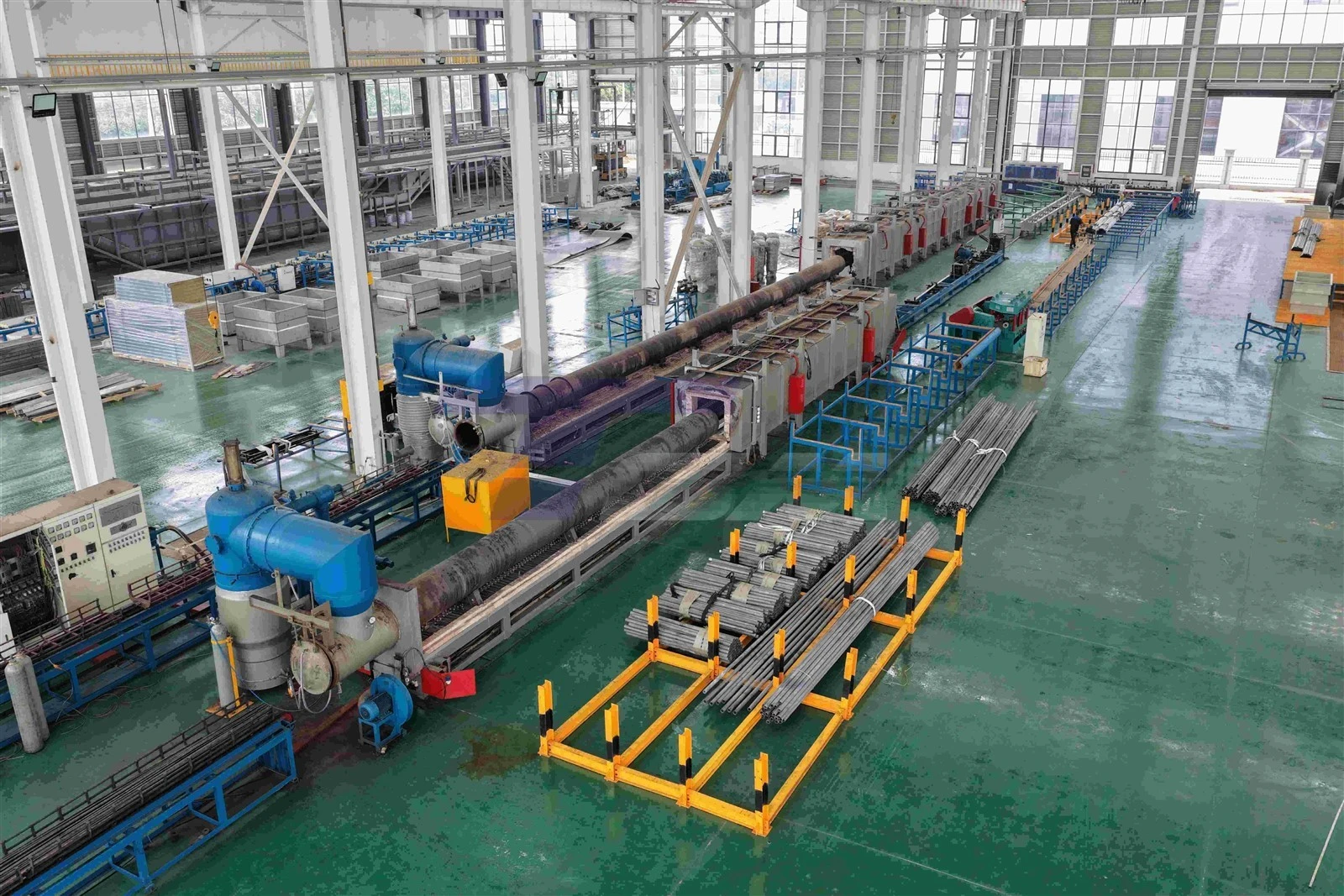
TSM Technology, one of the leading Asian suppliers of high-performance titanium-based materials in China, specializes in factory-made products such as titanium tubes, welded titanium pipes and fittings, titanium flanges, titanium fasteners and nuts, titanium plates and rods, among others.
They are widely used in the construction of heat exchangers, condensers, power plants, seawater desalination facilities, oil and gas pipelines, chlor-alkali plants, and other related fields.
Number of Employees
years experience
Modern factory
Global Supply
We are here for you
To create the top brand in the field of titanium products