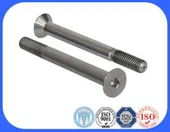
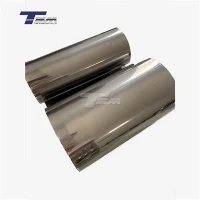
When you compare commercially pure titanium grades, Grade 2 Titanium Bar often stands out as the most practical choice. It offers a strong balance of corrosion resistance, strength, ductility, weldability, and cost control.
Many engineers do not need the higher strength of titanium alloys. They need a material that performs well in corrosive service and remains easy to fabricate. Grade 2 meets those needs across many industrial applications.
You may see Grade 2 titanium bar in chemical processing equipment, marine systems, heat exchangers, power facilities, and industrial components. Its broad use stems from balanced performance rather than from a single extreme property.
This article explains why CP Grade 2 has become the most widely used commercially pure titanium grade. It also helps you decide whether it fits your project.
What Is Grade 2 Titanium Bar?
Grade 2 titanium is an unalloyed, commercially pure titanium material. It is commonly identified as UNS R50400.
Commercially pure titanium does not mean that the material contains only titanium. Small amounts of elements such as oxygen, iron, carbon, nitrogen, and hydrogen remain within controlled limits.
These elements affect the material's strength and ductility. Grade 2 provides a middle ground among the common commercially pure titanium grades.
ASTM B348 covers titanium and titanium alloy bars and billets. The standard includes Grade 2 as an unalloyed titanium grade and defines requirements for chemical composition and mechanical testing.

Grade 2 is often supplied as:
Titanium round bar
Titanium square bar
Titanium flat bar
Titanium forged bar
Custom-machined titanium bar
A Grade 2 titanium round bar is widely used because it supports machining, fabrication, and custom component production.
Why Does Grade 2 Offer Such a Useful Property Balance?
Grade 2 is popular because it avoids the main trade-offs found in other titanium grades.
Grade 1 provides excellent ductility. Its lower strength may limit some structural uses. Grade 3 and Grade 4 offer higher strength. Their increased strength can reduce formability.
Grade 2 sits between these grades. It provides useful strength while maintaining good ductility and fabrication performance.
Typical minimum mechanical values for annealed Grade 2 include:
|
Property |
Typical Minimum Value |
|
Tensile strength |
345 MPa |
|
Yield strength |
275 MPa |
|
Elongation |
20% |
Actual values may vary by product form, size, processing route, and applicable specification. Buyers should confirm requirements through the material certificate and project standard.
This balance helps engineers design durable components without selecting a more complex titanium alloy.
Grade 2 Titanium Bar Provides Excellent Corrosion Resistance
Corrosion resistance is one of the main reasons for the wide use of commercially pure titanium bar.
Titanium naturally forms a thin oxide film when exposed to oxygen. This film protects the metal surface from many corrosive environments.
If the surface receives minor damage, the oxide layer can reform when suitable oxygen is available. This behavior supports long service life in many applications.
Grade 2 titanium performs well in many environments, including:
- Seawater
- Chloride-containing process streams
- Oxidizing chemical solutions
- Many neutral aqueous environments
- Industrial cooling systems
Grade 2 also offers strong resistance to several forms of localized corrosion in suitable service conditions. Its performance still depends on temperature, chemical concentration, pressure, and process conditions.
You should not select titanium only because it has a strong corrosion reputation. Always review the full operating environment.
Why Is Grade 2 Titanium Easier to Fabricate?
Good fabrication performance expands the use of Grade 2 titanium bar.
The material offers useful ductility and formability. Manufacturers can process it into many shapes and components.
Grade 2 can support:
- Cutting
- Turning
- Milling
- Drilling
- Forming
- Forging
- Welding
Machining titanium requires suitable tools and controlled cutting conditions. Titanium has low thermal conductivity, so heat can remain close to the cutting area.
Proper machining methods help reduce tool wear and protect surface quality. Grade 2 also provides good weldability when qualified procedures are used. Clean surfaces and effective shielding remain important during welding.
These fabrication benefits help manufacturers produce custom parts without relying on highly specialized alloy processing.
How Does Grade 2 Compare With Other Commercially Pure Titanium Grades?
The four common commercially pure titanium grades offer different strength and ductility levels.
|
Grade |
Relative Strength |
Relative Ductility |
Common Selection Focus |
|
Grade 1 |
Lowest |
Highest |
Maximum formability |
|
Grade 2 |
Moderate |
Good |
Balanced industrial performance |
|
Grade 3 |
Higher |
Moderate |
Increased strength |
|
Grade 4 |
Highest |
Lower |
Higher-strength CP applications |
Grade 2 often becomes the default choice when a project needs:
- Strong corrosion resistance
- Moderate mechanical strength
- Good ductility
- Reliable weldability
- Broad industrial availability
The material does not provide the high strength of Grade 5 titanium. Grade 5 contains aluminum and vanadium. It serves many aerospace and high-strength applications.
Grade 2 remains attractive when corrosion resistance and fabrication matter more than maximum strength.
Where Is Grade 2 Titanium Bar Used?
The balanced properties of CP titanium Grade 2 support many industries.
Chemical Processing
Chemical plants often use Grade 2 for equipment exposed to corrosive fluids.
Typical applications include:
Reactor components
Heat exchanger parts
Pump components
Valve parts
Chemical processing equipment
Material selection should match the exact chemical environment. Titanium does not provide equal resistance to every acid or process fluid.
Marine and Offshore Equipment
Seawater can create serious corrosion risks for many metals.
Grade 2 titanium may support:
Marine heat exchanger components
Seawater handling systems
Offshore equipment parts
Corrosion-resistant fasteners and fittings
Its low density also helps reduce component weight.
Power Generation
Power facilities may use Grade 2 titanium in condenser and heat-transfer systems.
The material supports long-term service in suitable cooling-water environments.
Aerospace and Industrial Components
Grade 2 can serve in applications where corrosion resistance and low weight are important.
Typical uses include:
Non-critical aerospace components
Industrial shafts
Custom-machined parts
Fabricated titanium assemblies
The final material choice depends on load, temperature, certification, and safety requirements.
Why Does Grade 2 Titanium Support Long-Term Cost Control?
Titanium often has a higher purchase price than carbon steel or many stainless steels. Initial material cost does not show the full project cost.
A corrosion-resistant material may reduce:
- Replacement frequency
- Unplanned maintenance
- Equipment downtime
- Repair labor
- Corrosion-related failures
Grade 2 may provide a favorable lifecycle value in demanding environments.
You should compare materials based on total service requirements. The lowest purchase price may not produce the lowest operating cost.
Grade 2 also avoids some of the added alloying complexity found in high-strength titanium alloys.
What Should You Check Before Buying Grade 2 Titanium Bar?
A reliable Grade 2 titanium bar supplier should provide more than a price quote.
Review these points before placing an order:
1. Material Grade and Standard
Confirm the required grade and specification.
Common requirements may include:
Grade 2
UNS R50400
ASTM B348
Project-specific standards
2. Chemical Composition
Ask for a material test certificate.
The certificate should show the relevant chemical analysis and confirm compliance with the required specification.
3. Mechanical Properties
Check:
Tensile strength
Yield strength
Elongation
Test condition
Mechanical requirements can depend on the product form and standard.
4. Bar Size and Tolerance
Confirm:
Diameter
Length
Straightness
Diameter tolerance
Surface condition
Clear requirements help prevent machining problems.
5. Surface Finish
Common surface conditions may include:
Forged
Peeled
Turned
Ground
Polished
Choose the finish based on your machining and final-use needs.
6. Traceability and Inspection
Material traceability helps buyers connect finished products with production and inspection records.
For critical projects, ask about:
Heat numbers
Material certificates
Dimensional inspection
Ultrasonic testing
Other required non-destructive testing
Why Work With a Grade 2 Titanium Bar Manufacturer?
Direct manufacturing support can reduce procurement uncertainty.
TSM Technology produces titanium products for aerospace, medical, marine, industrial, chemical processing, and energy applications. The company provides titanium bars, tubes, plates, forgings, fasteners, flanges, and custom-machined components.
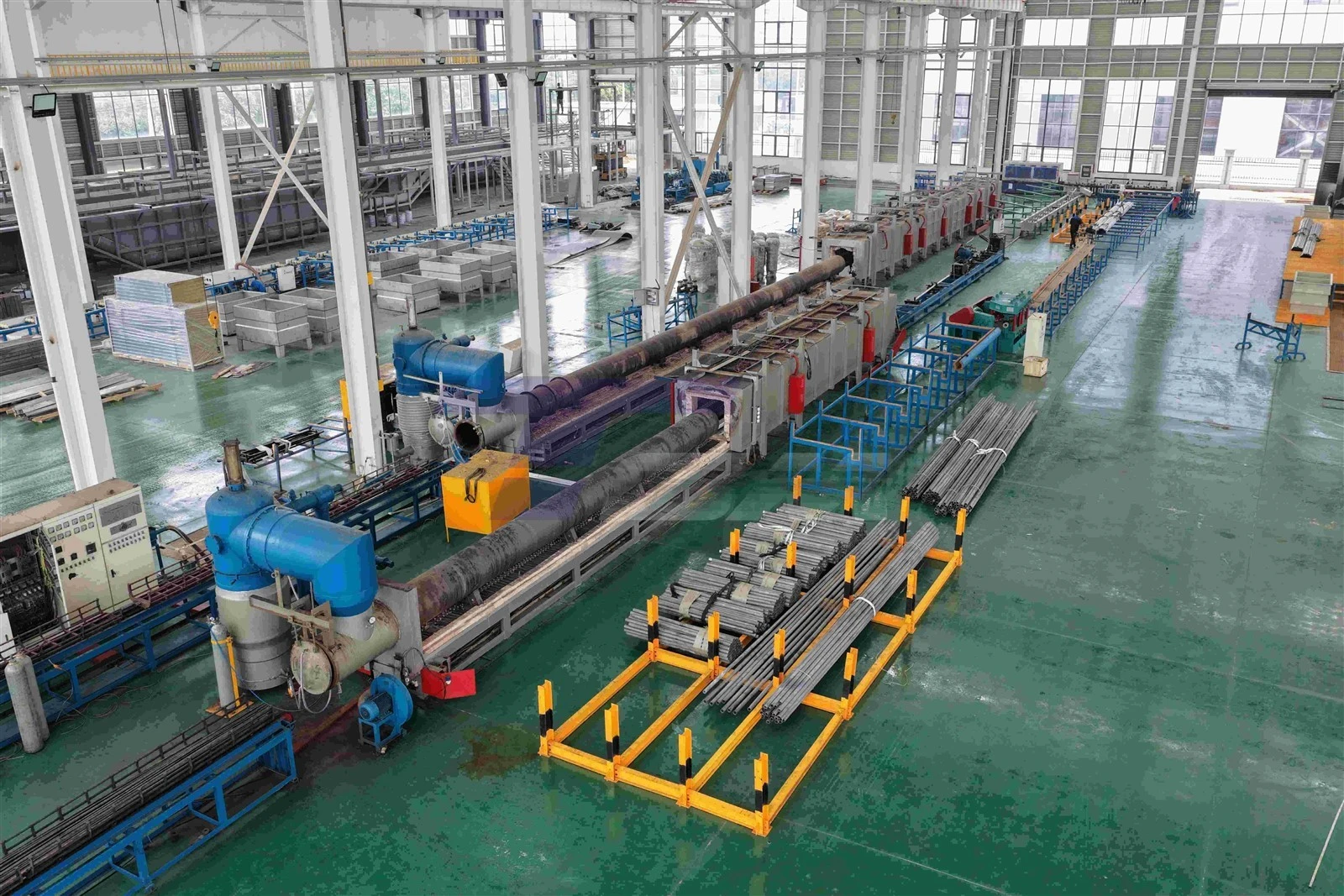
TSM reports more than 15 years of manufacturing experience and a 60,000-square-meter production facility. Its published capabilities include titanium melting, forging, CNC machining, precision cutting, and inspection systems.
For Grade 2 titanium bar projects, technical support can help you confirm:
- Material grade
- Bar dimensions
- Manufacturing route
- Surface condition
- Inspection requirements
- Custom machining needs
A qualified manufacturer should review your drawings and technical requirements before production.
Is Grade 2 Titanium Bar Right for Your Application?
Grade 2 may be a strong choice when your project requires:
- Excellent corrosion resistance
- Moderate strength
- Good ductility
- Good fabrication performance
- Low weight
- Long service life
You may need another titanium grade when the application requires:
- Very high strength
- Higher temperature capability
- Specialized corrosion resistance
- Medical-specific requirements
- Aerospace-specific material standards
Material selection should include service conditions, mechanical loads, operating temperature, corrosion risks, and applicable standards.
Final Thoughts
Grade 2 Titanium Bar is widely used because it provides a practical balance of performance.
Its corrosion resistance supports demanding industrial environments. Its moderate strength supports many components. Its ductility and fabrication performance make manufacturing more flexible.
Grade 2 is not the strongest titanium material. It does not need to be.
Its value comes from delivering the properties that many industrial projects require without adding unnecessary alloy complexity.
If you need a reliable Grade 2 titanium bar manufacturer, share your required grade, dimensions, standard, quantity, and application details.
Contact TSM Technology at info@tsm-titanium.com to discuss your titanium bar requirements and request technical support.
References
ASTM International. ASTM B348/B348M: Standard Specification for Titanium and Titanium Alloy Bars and Billets.
ASM International. ASM Handbook, Volume 2: Properties and Selection of Nonferrous Alloys and Special-Purpose Materials.
Donachie, Matthew J. Titanium: A Technical Guide. ASM International.
Leyens, Christoph, and Manfred Peters. Titanium and Titanium Alloys: Fundamentals and Applications. Wiley-VCH.
Boyer, Rodney, Gerhard Welsch, and E. W. Collings. Materials Properties Handbook: Titanium Alloys. ASM International.
Carpenter Technology Corporation. Commercially Pure Titanium Grade 2 Technical Data Sheet.
We are always at your service when you need
TSM Technology, one of the leading Asian suppliers of high-performance titanium-based materials in China, specializes in factory-made products such as titanium tubes, welded titanium pipes and fittings, titanium flanges, titanium fasteners and nuts, titanium plates and rods, among others.
They are widely used in the construction of heat exchangers, condensers, power plants, seawater desalination facilities, oil and gas pipelines, chlor-alkali plants, and other related fields.
Number of Employees
years experience
Modern factory
Global Supply