


Hastelloy C276 tubes are highly resistant to corrosion in chloride-containing environments, including seawater, hydrochloric acid, and other chloride-rich industrial fluids. Their nickel-chromium-molybdenum-cobalt composition prevents pitting, crevice corrosion, and stress corrosion cracking, making them ideal for chemical processing plants, heat exchangers, reactors, and wastewater treatment systems.
Introduction
Chloride ions are one of the most aggressive elements for metallic piping and equipment. Even a small concentration of chlorides can cause localized corrosion, pitting, and stress corrosion cracking, especially in stainless steels and lower-grade nickel alloys.
Hastelloy C276 (UNS N10276) is designed to resist such aggressive conditions. It is widely used in:
- Seawater handling systems
- Hydrochloric and nitric acid plants
- Wastewater treatment systems
- Heat exchangers and condensers
TSM Technology supplies ASTM B622 compliant C276 seamless tubes with full traceability, certification, and custom sizing for chloride-rich process applications.

Why Chloride Resistance Matters
Chloride-induced corrosion is a common failure mode in chemical and industrial systems. Effects include:
- Localized pitting
- Crevice corrosion
- Stress corrosion cracking (SCC)
- Reduced operational lifetime
- Increased maintenance costs
In systems where fluid chemistry includes sodium chloride, hydrochloric acid, or brines, selecting a highly resistant alloy like C276 is essential to prevent failures.
Chemical Composition of Hastelloy C276
The alloying elements provide its excellent chloride resistance:
|
Element |
Content (%) |
Function |
|
Nickel (Ni) |
Balance |
General corrosion resistance |
|
Chromium (Cr) |
15–17 |
Oxidation protection |
|
Molybdenum (Mo) |
15–17 |
Pitting/crevice resistance |
|
Cobalt (Co) |
3–7 |
Improves oxidation and acid resistance |
|
Iron (Fe) |
4–7 |
Structural stability |
|
Tungsten (W) |
0.5–3 |
Enhances resistance to oxidizing agents |
|
Carbon (C) |
≤0.03 |
Limits carbide precipitation |
This combination makes C276 resistant to chloride stress corrosion cracking, a key failure mode in chemical processing.
Corrosion Performance in Chloride Environments
Hastelloy C276 outperforms stainless steels and many other nickel alloys in chloride-rich media.
|
Material |
Chloride Resistance |
Typical Applications |
|
Hastelloy C276 |
Excellent |
Hydrochloric acid, seawater, brines |
|
316L Stainless Steel |
Moderate |
Mild chlorides only |
|
Alloy 20 |
Good |
Low to medium chloride concentrations |
|
Hastelloy G30 |
Very Good |
Phosphoric acid and some chloride systems |
Key Insight: C276 maintains uniform corrosion protection and resists localized attack even in highly oxidizing or contaminated chloride solutions.

Industrial Applications in Chloride-Rich Conditions
Chemical Processing Plants
Hydrochloric acid piping
Mixed chemical reactors
Acid concentration units
Wastewater Treatment
Brine handling systems
Chloride-rich effluent pipelines
Scrubbers
Heat Exchangers
Seawater cooling exchangers
Acid process heat exchangers
Evaporators
Offshore and Marine Applications
Seawater piping
Desalination systems
Offshore chemical plants
Mechanical Properties for High-Stress Environments
|
Property |
Value |
|
Tensile Strength |
≥485 MPa |
|
Yield Strength |
≥205 MPa |
|
Elongation |
≥30% |
|
Hardness |
≤95 HRB |
|
Operating Temperature |
Up to 200°C |
These properties ensure C276 tubes withstand high pressure, thermal cycling, and mechanical stress, even in aggressive chloride environments.
Tube Sizes and Specifications
|
Parameter |
Range |
|
Outside Diameter |
6 mm – 114.3 mm |
|
Wall Thickness |
0.5 mm – 10 mm |
|
Length |
Up to 12 meters |
|
Type |
Seamless |
|
Surface Finish |
Pickled, Bright Annealed, Polished |
Custom sizes and fabrication options are available for specific industrial needs.
Quality Assurance and Testing
PMI testing for chemical composition
Hydrostatic testing for pressure integrity
Eddy current and ultrasonic testing for defects
Mechanical tests: tensile, flattening, hardness
Dimensional inspection
Compliant with ASTM B622 and EN 10204 3.1.
FAQ
Q1: Can C276 tubes handle seawater?
A1: Yes. Hastelloy C276 is widely used in seawater and chloride-rich industrial fluids due to its high pitting and crevice corrosion resistance.
Q2: Are C276 tubes better than 316L stainless steel in chloride environments?
A2: Yes. 316L is only suitable for mild chloride exposure, while C276 resists aggressive and oxidizing chloride solutions.
Q3: Can C276 tubes be welded?
A3: Yes, with proper welding and post-weld heat treatment to maintain corrosion resistance.
Q4: Which industries use C276 tubes in chloride service?
A4: Chemical processing, seawater systems, desalination, wastewater treatment, and offshore chemical plants.
Q5: What certifications should be requested?
A5: ASTM B622 compliance, UNS N10276 designation, EN 10204 3.1 certificate, PMI and hydrostatic test reports.
Q6: Are seamless or welded tubes preferred?
A6: Seamless tubes are preferred for high-pressure or critical chloride applications, while welded tubes can be used in large-diameter, moderate-stress systems.
Conclusion
Hastelloy C276 tubes offer outstanding corrosion resistance in chloride-rich environments, making them ideal for chemical processing, seawater handling, heat exchangers, and industrial wastewater systems. Choosing certified tubes with proper testing ensures reliable, long-term performance in aggressive chloride conditions.
We are always at your service when you need
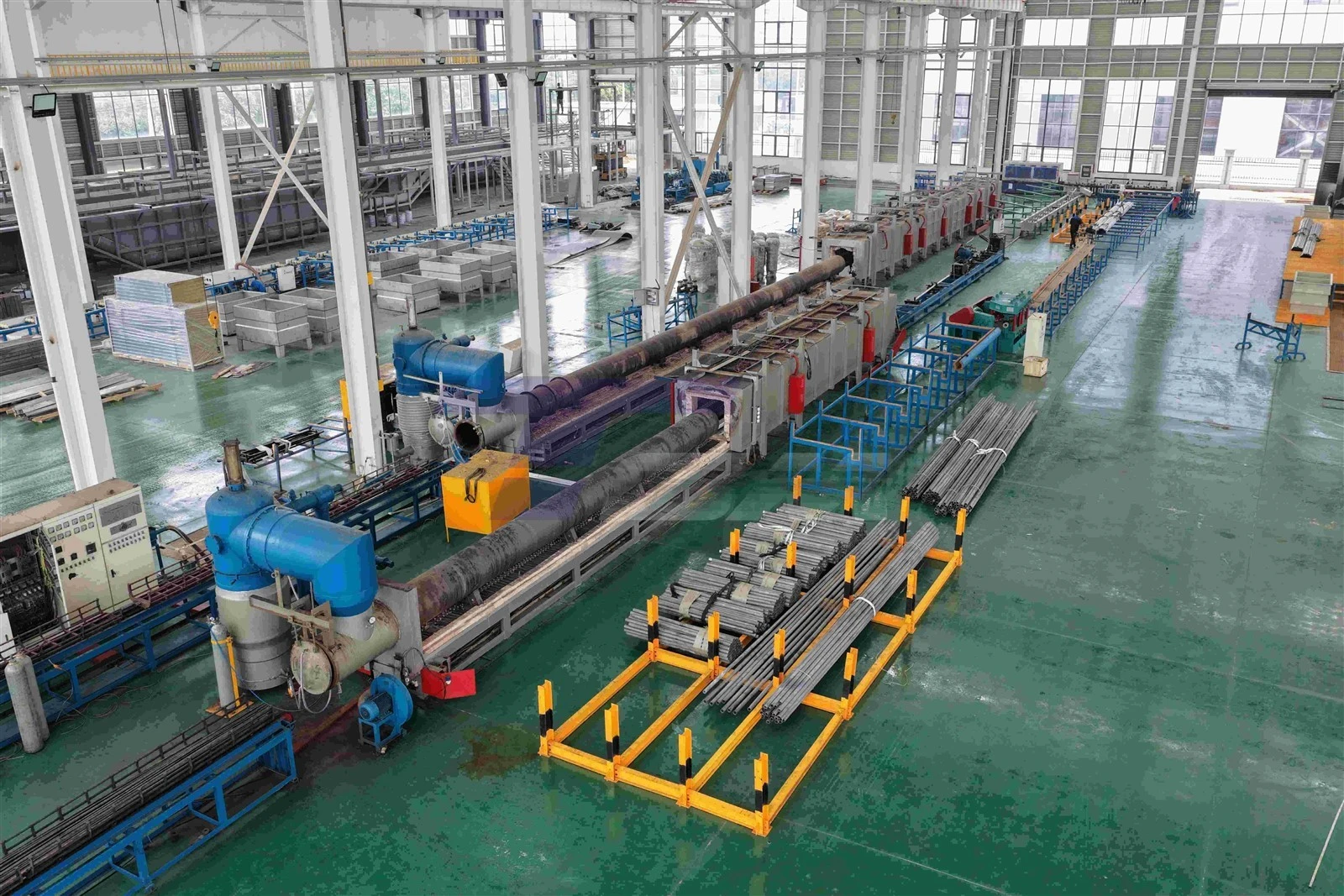
TSM Technology, one of the leading Asian suppliers of high-performance titanium-based materials in China, specializes in factory-made products such as titanium tubes, welded titanium pipes and fittings, titanium flanges, titanium fasteners and nuts, titanium plates and rods, among others.
They are widely used in the construction of heat exchangers, condensers, power plants, seawater desalination facilities, oil and gas pipelines, chlor-alkali plants, and other related fields.
Number of Employees
years experience
Modern factory
Global Supply
We are here for you
To create the top brand in the field of titanium products


