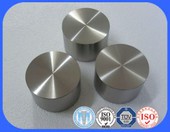
Are you wondering if a Grade 2 Titanium Bar fits your upcoming manufacturing project? Many engineers and procurement managers ask whether commercially pure titanium handles workshop operations without special hassle. You want clear answers about welding, machining, and forming before you place an order.

We have spent over a decade supplying high-grade titanium products across global industries. We understand your concerns about shop-floor performance, tooling wear, and weld integrity. You need reliable material that behaves predictably under real manufacturing conditions.
The short answer is yes. You can weld, machine, and form Grade 2 titanium with great success when you follow correct procedures. Grade 2 titanium offers a balanced combination of strength, ductility, and high corrosion resistance. This guide walks you through every practical aspect of working with this versatile metal.
Understanding Grade 2 Titanium Bar Properties and Characteristics
Grade 2 titanium is the workhorse of commercially pure titanium grades. It contains pure titanium alloyed with minor amounts of iron, oxygen, carbon, nitrogen, and hydrogen. These trace elements deliver solid mechanical strength while keeping excellent ductility.
Here are core material specifications for Grade 2 pure titanium round bar products:
- Tensile Strength: 345 MPa to 480 MPa minimum yield strength.
- Elongation at Break: 20% minimum, providing superior cold formability.
- Density: 4.51 g/cm³, offering a 45% weight saving over steel.
- Standards Compliance: ASTM B348, ASME SB348, and AMS 4928.
- Melting Point: Approximately 1660°C (3020°F).
You gain exceptional resistance to seawater, chlorites, nitric acid, and organic acids. Chemical processing plants, marine hardware makers, and medical equipment brands rely on this balanced material daily.
Is Grade 2 Titanium Bar Easy to Weld?
You can weld Grade 2 titanium smoothly because it lacks carbon-hardening risks common in steel. Its low alloy content prevents brittle phase formation during heating and cooling. You achieve joint strength matching the parent metal with standard fusion techniques.
Recommended Welding Techniques for Grade 2 Titanium
You can pick from several proven welding processes depending on your shop capabilities:
- Gas Tungsten Arc Welding (GTAW / TIG): This remains the top choice for titanium bars and rod stock. It gives you precise heat input control and clean welds.
- Gas Metal Arc Welding (GMAW / MIG): Ideal for heavy sections and fast production runs.
- Plasma Arc Welding (PAW): Delivers deep penetration for thicker rod diameters.
- Resistance and Friction Welding: Useful for solid round bars joined end-to-end.
Critical Shielding Gas Protocols
Titanium reacts rapidly with oxygen, nitrogen, and hydrogen at temperatures above 400°C (752°F). Contamination creates severe embrittlement and compromises weld joints. You must protect the weld pool, trailing area, and backside with high-purity argon gas.
Follow these practical shielding steps:
Use 99.999% pure argon gas for primary torch shielding.
Install trailing gas shields to protect cooling metal behind the weld torch.
Clean all bar joint surfaces with acetone or non-chlorinated solvents prior to arc ignition.
Keep interpass temperatures below 150°C to minimize oxidation risk.
Watch weld color carefully; bright silver indicates perfect gas protection.
A straw-yellow color shows acceptable minor oxidation. Blue, purple, or white flaky oxide layers signal severe contamination. You should grind out discolored welds and redo the joint.
How Well Does Grade 2 Titanium Bar Machine?
Machining a Grade 2 Titanium Bar requires different parameters than carbon steel or aluminum. Titanium possesses low thermal conductivity and a low elastic modulus. Heat concentrates at the cutting tool edge rather than dissipating into chips.
Cutting Speeds, Tooling, and Feed Rates
You achieve smooth surface finishes and long tool life by following core metal-cutting principles:
Lower Cutting Speeds: Maintain speeds 30% to 50% lower than standard steel machining.
High Feed Rates: Keep cutting tools constantly moving into the workpiece to avoid galling.
Sharp Carbide Tools: Select ISO C2 grade carbide or coated carbide inserts.
High-Pressure Coolant: Stream water-soluble coolant directly onto the tool-chip interface.
Rigid Setup: Secure tools and bar stock tightly to prevent chatter and tool chipping.
Preventing Work Hardening During Machining
Grade 2 titanium work-hardens rapidly if tools rub without cutting into fresh metal. You must avoid light dwell cuts or trailing tool edges.
Never let the tool dwell on the rotating titanium round bar surface.
- Maintain positive feeds between 0.15 mm and 0.30 mm per revolution during turning.
- Use sharp clearance angles on drill bits and milling cutters.
- Deep drilling requires frequent peck cycles to clear continuous stringy chips.
- Proper tooling parameters reduce cutting forces and deliver precise dimensional tolerances across large production batches.
Can You Form Grade 2 Titanium Bar Easily?
You will find Grade 2 titanium noticeably easier to form than higher-strength titanium alloys like Grade 5 (Ti-6Al-4V). High ductility allows significant plastic deformation without tearing or cracking.
Cold Bending vs. Warm Bending Techniques
You can cold-bend smaller diameter bars and rods using standard workshop equipment:
Cold Forming: Excellent for bar diameters under 25 mm. High elongation rate lets you execute tight bend radii without preheating.
Warm Forming: Recommended for larger bar diameters or sharp bend angles. Heating the titanium bar between 200°C and 300°C reduces yield strength and springback.
Warm bending requires minimal force while protecting material structure from micro-cracking.
Managing Springback and Minimum Bend Radii
Titanium has a lower modulus of elasticity than steel, which causes higher springback after bending operations. You can overcome springback with basic shop adjustments:
- Overbend the bar stock by 3 to 5 degrees past your target angle.
- Use a bend radius equal to at least 2 to 2.5 times the bar diameter.
- Apply consistent slow press speed rather than rapid impact force.
- Anneal cold-worked bars at 600°C if stress relief is needed for critical applications.
These forming practices maintain strict geometric accuracy for bent pins, U-bolts, and custom structural fasteners.
Comparing Grade 2 Titanium with Other Titanium Grades
Selecting the right titanium material depends on your specific performance requirements. Compare Grade 2 against other popular titanium bar grades in this overview table:
|
Titanium Grade |
Material Type |
Yield Strength (MPa) |
Weldability |
Machinability |
Formability |
Primary Applications |
|
Grade 1 |
Commercially Pure |
170 - 310 |
Excellent |
Excellent |
Superior |
Deep drawing, chemical foil |
|
Grade 2 |
Commercially Pure |
345 - 480 |
Excellent |
Good |
Excellent |
Marine, chemical, fasteners |
|
Grade 5 (Ti-6Al-4V) |
Alpha-Beta Alloy |
828 - 910 |
Fair |
Moderate |
Limited |
Aerospace, medical implants |
|
Grade 7 |
CP + Palladium |
345 - 480 |
Excellent |
Good |
Excellent |
Extreme acid environments |
|
Grade 12 |
Ti-Mo-Ni Alloy |
483 - 620 |
Good |
Moderate |
Good |
High-temp chemical processing |
Grade 2 provides the optimal sweet spot between moderate strength and outstanding workability for most commercial projects.
B2B Sourcing: What Procurement Managers and Engineers Should Check
Purchasing raw materials for industrial projects demands strict quality verification. You need full material traceability and reliable technical documentation from your titanium supplier.
ASTM B348 Standards and Quality Certifications
Verify these essential documentation requirements before finalizing your procurement order:
- Material Test Reports (MTR): Must show chemical analysis conforming to ASTM B348 or ASME SB348 specifications.
- Ultrasonic Testing (UT): Confirms internal freedom from voids, cracks, or inclusions.
- Mechanical Property Testing: Verifies tensile, yield, and elongation values for your batch.
- ISO 9001 Quality Certification: Ensures consistent factory production and quality management processes.
Accurate mill certificates protect your manufacturing chain against non-compliant raw materials.
Why Partner with TSM Technology Co., Ltd.
At TSM Technology Co., Ltd., we specialize in supplying high-precision titanium bars, rods, and custom forged components. We operate out of Shaanxi, China, leveraging decades of regional metallurgical expertise.
We offer distinct supply advantages for global procurement teams:
- Extensive Stock Inventory: Round bars, hex bars, and square bars available in standard and custom lengths.
- Complete Size Range: Diameters from 3 mm up to 350 mm processed with tight tolerances.
- Stringent Quality Assurance: Every shipment includes EN 10204 3.1 material certificates and complete lab testing.
- Global Logistics Support: Fast door-to-door shipping via sea, air, and express transport.
- Custom Processing Services: Cut-to-length, centerless grinding, turning, and custom forging options.
Our team works directly with engineers and buyers to match technical specifications with budget constraints.
Final Verdict: Working with Grade 2 Titanium Bar
A Grade 2 Titanium Bar is versatile, highly weldable, and easy to form using standard industrial tools. You achieve great machining productivity by maintaining sharp tooling, high feeds, and proper cooling.
By choosing Grade 2 pure titanium round bar material, you balance cost-efficiency with outstanding corrosion performance. Proper shop protocols guarantee high-quality parts for demanding marine, chemical, and industrial uses.
Frequently Asked Questions
Can you thread a Grade 2 titanium bar on a standard lathe?
Yes, you can thread Grade 2 titanium using sharp carbide threading tools, slow cutting speeds, and heavy cutting fluid.
Does Grade 2 titanium require heat treatment after welding?
Most applications do not require post-weld heat treatment. Stress relief annealing at 500°C to 600°C helps in severe stress-corrosion environments.
What cutting fluids work best for machining titanium round bars?
Water-soluble oil coolants with extreme pressure additives work best to absorb heat and prevent tool wear.
What is the difference between Grade 2 round bar and Grade 5 bar?
Grade 2 is pure titanium with higher ductility and ease of welding. Grade 5 is an alloy with double the strength but harder to machine and form.
References
ASTM International. (2021). ASTM B348 / B348M - Standard Specification for Titanium and Titanium Alloy Bars and Billets. West Conshohocken, PA: ASTM International.
American Welding Society. (2018). AWS C5.7: Recommended Practices for Gas Tungsten Arc Welding of Titanium Piping and Tubing. Miami, FL: American Welding Society.
Donachie, M. J. (2000). Titanium: A Technical Guide (2nd ed.). Materials Park, OH: ASM International.
Leyens, C., & Peters, M. (Eds.). (2003). Titanium and Titanium Alloys: Fundamentals and Applications. Weinheim, Germany: Wiley-VCH Verlag GmbH & Co. KGaA.
ASM International Handbook Committee. (2015). ASM Handbook, Volume 16: Machining titanium alloys and commercially pure titanium. Materials Park, OH: ASM International.
Boyer, R., Welsch, G., & Collings, E. W. (1994). Materials Properties Handbook: Titanium Alloys. Materials Park, OH: ASM International.
Contact Us:
Ready to source high-grade titanium bar stock for your next production run? We provide top-tier raw materials tailored to your exact specifications. Contact our engineering team today.
Email: info@tsm-titanium.com
We are always at your service when you need
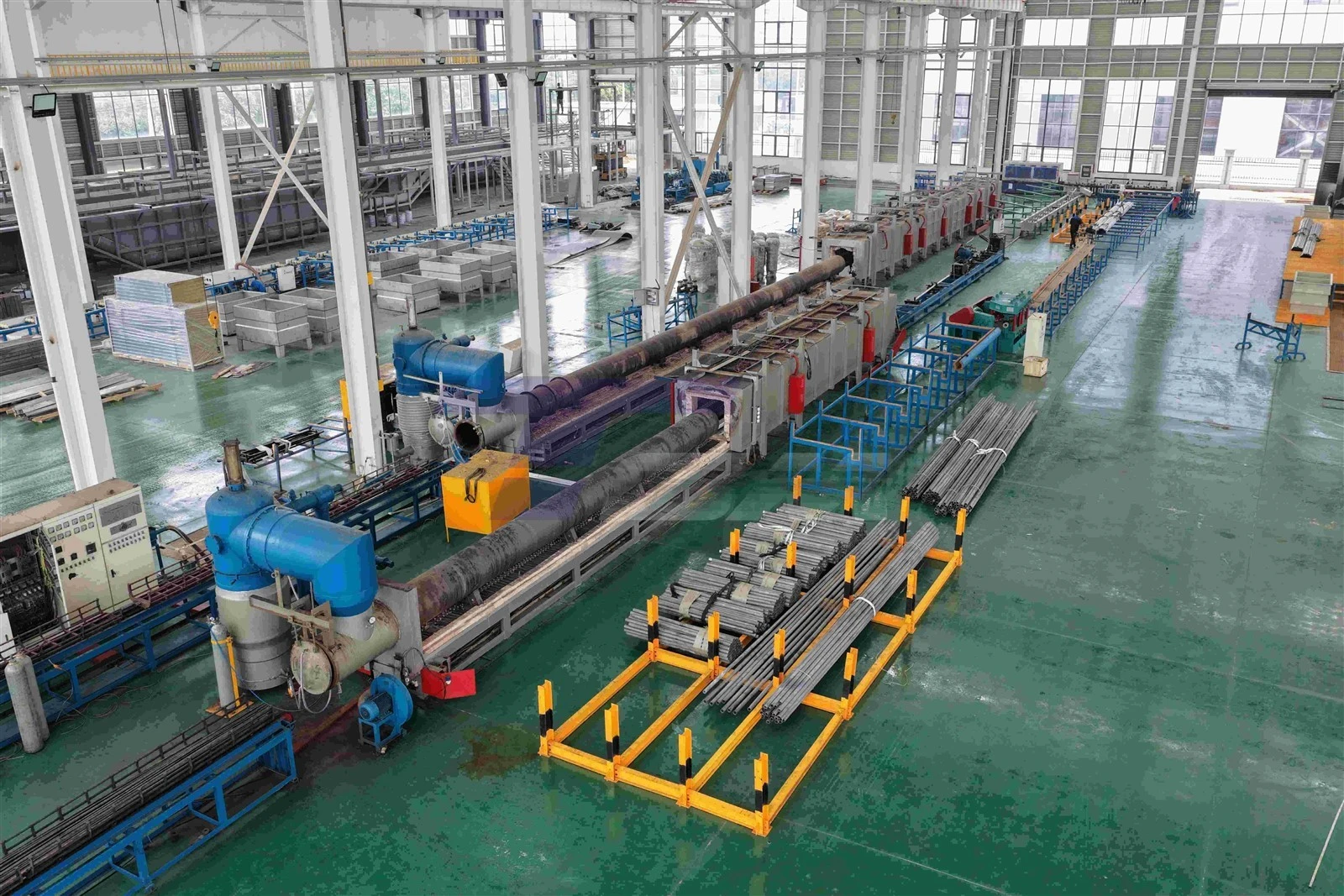
TSM Technology, one of the leading Asian suppliers of high-performance titanium-based materials in China, specializes in factory-made products such as titanium tubes, welded titanium pipes and fittings, titanium flanges, titanium fasteners and nuts, titanium plates and rods, among others.
They are widely used in the construction of heat exchangers, condensers, power plants, seawater desalination facilities, oil and gas pipelines, chlor-alkali plants, and other related fields.
Number of Employees
years experience
Modern factory
Global Supply

Let TSM Technology help you get your project off the ground
Since 2011, TSM Technology is a China-based titanium manufacturer specializing in titanium tubes, plates, bars, forgings, fasteners, flanges, and custom-machined titanium components for aerospace, medical, marine, and industrial applications.