


Seawater creates one of the most aggressive corrosion environments for industrial materials. Chlorides, dissolved oxygen, biological activity, and fluctuating temperatures can rapidly damage conventional metals. Marine systems often experience pitting, crevice corrosion, and long-term structural degradation. Because of these challenges, many industries rely on titanium alloys for seawater applications. Titanium offers outstanding resistance to seawater corrosion while maintaining lightweight performance and long service life.
Among different titanium grades, Grade 7 Titanium stands out as one of the best solutions for highly demanding seawater systems. Its superior resistance to crevice corrosion and chloride attack makes it especially valuable for marine engineering, desalination plants, offshore equipment, and seawater heat exchangers. At TSM Technology, we manufacture titanium alloy plates, tubes, bars, fittings, and industrial components for global customers operating in corrosive marine environments. Our experience with corrosion-resistant titanium products supports demanding seawater and offshore projects worldwide.

Why Seawater Causes Severe Corrosion Problems
Seawater contains high levels of chloride ions, dissolved salts, and oxygen.
These conditions accelerate corrosion in many common engineering metals.
Materials operating in seawater environments often suffer from:
- Pitting corrosion
- Crevice corrosion
- Galvanic corrosion
- Stress corrosion cracking
- Biofouling-related damage
Marine systems usually face continuous exposure, which increases long-term corrosion risk.
Industries handling seawater need materials capable of maintaining stable performance over many years.
Why Titanium Performs So Well in Seawater
Titanium naturally forms a stable and protective oxide film on its surface.
This passive layer provides excellent protection against seawater corrosion.
Titanium offers several advantages in marine environments:
Excellent Chloride Resistance
Chlorides damage many stainless steels and copper alloys.
Titanium maintains excellent stability in chloride-rich seawater systems.
Outstanding Crevice Corrosion Resistance
Localized corrosion often develops around:
Flanges
Gaskets
Bolted joints
Tube sheet areas
Certain titanium grades resist crevice corrosion far better than conventional alloys.
Long Service Life
Titanium equipment can remain operational for decades in seawater applications.
This helps reduce maintenance costs and replacement frequency.
Lightweight Performance
Titanium weighs significantly less than steel and nickel alloys.
Lower material weight benefits offshore structures and marine systems.
Biofouling Resistance
Titanium surfaces resist marine biological buildup better than many conventional metals.
This helps maintain system efficiency.
What Is Grade 7 Titanium?
Grade 7 titanium, also known as Ti-0.2Pd or UNS R52400, is a commercially pure titanium alloy that contains 0.12%–0.25% palladium. Although the amount of palladium is relatively small, it significantly enhances the alloy's corrosion resistance, particularly in aggressive chloride-containing and reducing environments. Grade 7 retains the excellent characteristics of Grade 2 titanium, including outstanding weldability, good ductility, excellent formability, and a high strength-to-weight ratio. Thanks to the addition of palladium, it offers superior resistance to seawater corrosion, crevice corrosion, and other harsh chemical environments, making it an ideal material for demanding applications in chemical processing, marine engineering, and desalination systems.
Why Grade 7 Titanium Is One of the Best Titanium Grades for Seawater
Several titanium grades perform well in seawater. Grade 7 becomes especially valuable when corrosion conditions grow more severe.
Superior Crevice Corrosion Resistance
Crevice corrosion creates one of the biggest risks in seawater systems.
It often develops in narrow gaps where oxygen circulation becomes restricted.
These areas include:
- Tube sheet joints
- Gasket connections
- Deposits and scale buildup
- Flanged piping systems
Inside these crevices, chloride concentration can increase while oxygen decreases.
Grade 7 titanium resists this localized corrosion much better than many other materials.
The palladium addition helps stabilize the protective oxide layer under low-oxygen conditions.
Better Performance in Polluted Seawater
Natural seawater conditions vary greatly.
Industrial seawater systems may contain:
Sulfides
Acidic contaminants
Pollutants
Biological deposits
These conditions can become more aggressive than clean seawater.
Grade 7 titanium performs especially well in these complex marine environments.
Excellent Resistance to Chloride Attack
Chlorides aggressively attack many engineering alloys.
Grade 7 titanium maintains stable corrosion resistance even under high chloride exposure.
This makes it highly suitable for:
Offshore platforms
Desalination systems
Marine heat exchangers
Seawater piping systems
Grade 7 Titanium vs Grade 2 Titanium for Seawater
Many engineers compare Grade 7 titanium with Grade 2 titanium for marine applications.
|
Property |
Grade 2 Titanium |
Grade 7 Titanium |
|
Seawater Corrosion Resistance |
Excellent |
Superior |
|
Crevice Corrosion Resistance |
Good |
Outstanding |
|
Chloride Resistance |
Excellent |
Superior |
|
Weldability |
Excellent |
Excellent |
|
Cost |
Lower |
Higher |
Grade 2 titanium works very well in many marine systems. Grade 7 becomes the preferred option in highly aggressive or crevice-prone seawater environments.
Common Seawater Applications for Grade 7 Titanium
Grade 7 titanium appears across many marine and offshore industries.
Desalination Plants
Desalination systems continuously process seawater under corrosive conditions.
Grade 7 titanium supports:
Evaporators
Heat exchangers
Seawater piping
Condensers
Its corrosion resistance helps extend equipment life.
Offshore Oil and Gas Platforms
Offshore systems face constant seawater exposure.
Grade 7 titanium performs well in:
Cooling systems
Seawater piping
Firewater systems
Offshore process equipment
Marine Heat Exchangers
Heat exchanger tubing often experiences:
High chloride concentration
Flow turbulence
Crevice conditions
Titanium tubing helps maintain stable long-term performance.
Shipbuilding and Marine Engineering
Marine industries use titanium alloys for:
Cooling systems
Hydraulic tubing
Seawater handling systems
Structural marine components
Coastal Power Plants
Power generation facilities use seawater for cooling operations.
Grade 7 titanium helps reduce corrosion-related maintenance in these systems.
Why Crevice Corrosion Matters in Marine Systems
Crevice corrosion often causes hidden damage before operators notice visible failure.
Localized attack can lead to:
Leakage
Structural weakening
Equipment shutdowns
Expensive repairs
Marine systems contain many crevice-prone areas because of:
Bolted assemblies
Welded structures
Gaskets
Tube sheet connections
Grade 7 titanium significantly reduces this corrosion risk.
Titanium vs Stainless Steel in Seawater
Many seawater systems compare titanium with stainless steel materials.
Stainless Steel Limitations
Although stainless steel performs well in many environments, chlorides can cause:
Pitting corrosion
Crevice corrosion
Stress corrosion cracking
These problems become more severe in warm seawater systems.
Titanium Advantages
Titanium provides:
Better chloride resistance
Longer service life
Lower maintenance requirements
Better reliability in marine environments
Although titanium costs more initially, its long-term lifecycle value often becomes much better.
Grade 7 Titanium Product Forms for Marine Applications
Marine industries use multiple titanium product forms depending on project requirements.
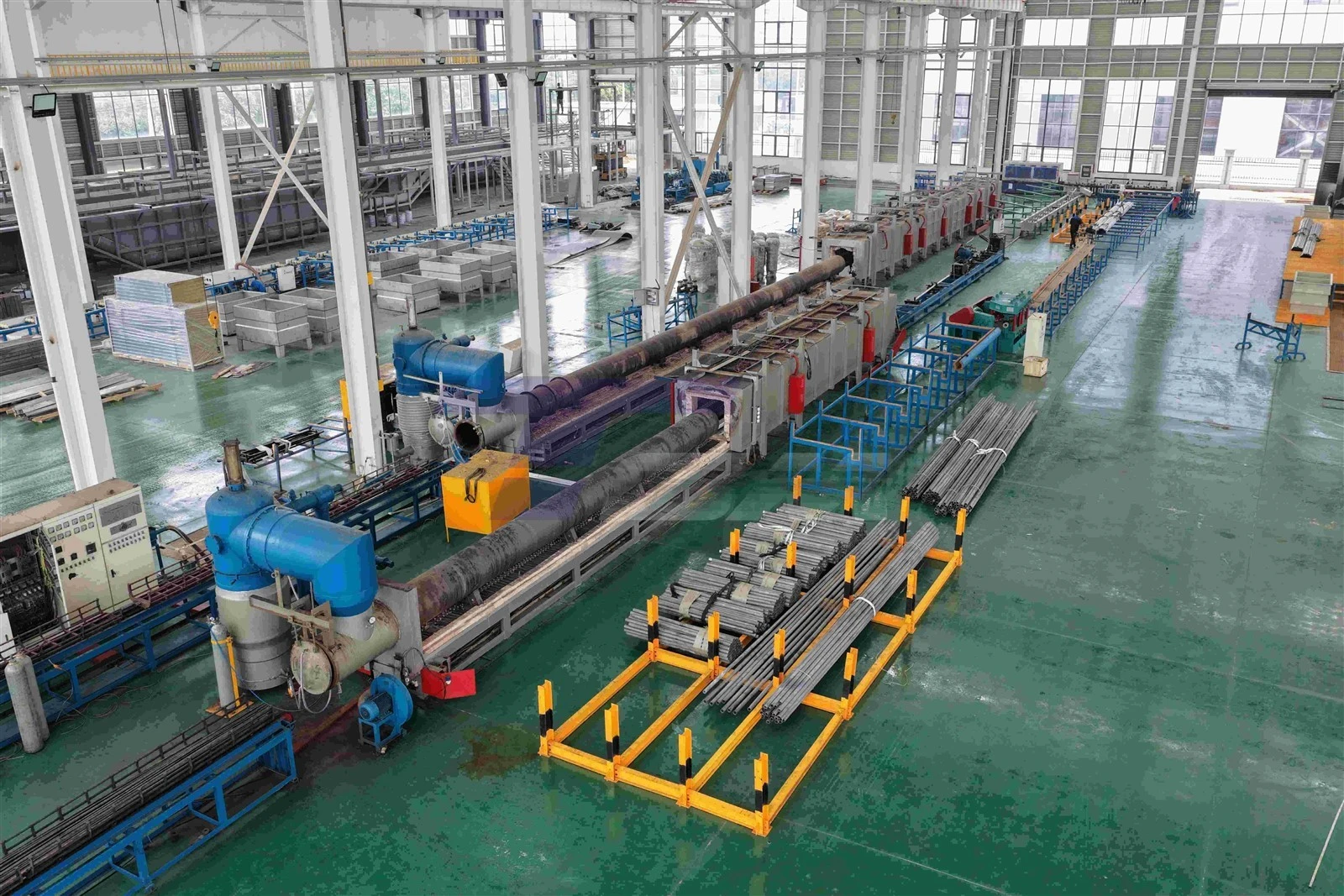
At TSM Technology Grade 7 Products, we supply:
Titanium fittings
Custom titanium components
Our manufacturing capability includes:
- Vacuum melting
- Hot rolling
- Cold rolling
- Heat treatment
- Ultrasonic testing
- PMI inspection
These quality procedures help ensure reliable performance in corrosive seawater environments.

ASTM Standards for Seawater Titanium Materials
Titanium products for marine systems commonly follow international ASTM standards.
Typical specifications include:
ASTM B265 for titanium plate
ASTM B338 for titanium tubes
ASTM B861 for seamless pipe
ASTM B348 for titanium bars
These standards define:
Chemical composition
Mechanical properties
Surface quality
Inspection requirements
Reliable suppliers should provide full traceability and material testing documentation.
What Buyers Should Look for in a Marine Titanium Supplier
Marine projects require stable corrosion performance and long-term reliability.
Before selecting a supplier, buyers often review:
Manufacturing Capability
Reliable manufacturers should maintain:
Vacuum melting systems
Precision rolling equipment
Nondestructive testing capability
Strict quality control systems
Marine Industry Experience
Experienced suppliers understand the challenges of seawater environments.
Export and Packaging Capability
Offshore and marine projects often require professional export support and corrosion-protective packaging.
Technical Support
Engineering guidance helps customers select the correct titanium grade for specific seawater conditions.
Why Grade 7 Titanium Continues Growing in Marine Industries
Marine and offshore industries continue demanding materials that provide:
- Better corrosion resistance
- Longer service life
- Lower maintenance costs
- Higher operational reliability
Grade 7 titanium meets these requirements extremely well in seawater systems.
Its superior resistance to crevice corrosion and chloride attack explains why many marine engineers consider it one of the best titanium grades for seawater applications.
At TSM Technology, we support global customers with titanium alloys, nickel alloys, and precision metal products for demanding industrial applications.
References
ASTM International. ASTM B265 Standard Specification for Titanium and Titanium Alloy Strip, Sheet, and Plate.
ASTM International. ASTM B338 Standard Specification for Seamless and Welded Titanium and Titanium Alloy Tubes.
Donachie, Matthew J. Titanium: A Technical Guide. ASM International.
Lutjering, Gerd, and James C. Williams. Titanium. Springer.
Peters, Martin, and Claudia Leyens. Titanium and Titanium Alloys: Fundamentals and Applications. Wiley-VCH.
Schutz, R. W. Corrosion Resistance of Titanium and Titanium Alloys in Marine Environments. NACE International.
Contact Us:
For expert guidance on selecting Titanium Grade 7 plate or Grade 2 plate for marine applications, contact TSM Technology. Our technical team is ready to support your project with professional titanium solutions.
Email: info@tsm-titanium.com
We are always at your service when you need
TSM Technology, one of the leading Asian suppliers of high-performance titanium-based materials in China, specializes in factory-made products such as titanium tubes, welded titanium pipes and fittings, titanium flanges, titanium fasteners and nuts, titanium plates and rods, among others.
They are widely used in the construction of heat exchangers, condensers, power plants, seawater desalination facilities, oil and gas pipelines, chlor-alkali plants, and other related fields.
Number of Employees
years experience
Modern factory
Global Supply


