


Modern aircraft depend heavily on hydraulic systems to control critical operations. Landing gear movement, braking systems, flight control surfaces, and steering mechanisms all rely on stable hydraulic performance. Because these systems operate under high pressure and demanding environmental conditions, material selection becomes extremely important. Many aerospace manufacturers choose titanium tubes for hydraulic systems because titanium combines lightweight performance, high strength, corrosion resistance, and excellent fatigue behavior.
Among various titanium alloys, Grade 9 Titanium Tubes have become especially popular for aerospace tubing applications. They provide a strong balance between mechanical performance and manufacturability. At TSM Technology, we manufacture titanium alloy tubing for aerospace, industrial, marine, and energy industries worldwide. Our experience with seamless titanium tube production helps support demanding hydraulic system applications.

Why Aerospace Hydraulic Systems Need Advanced Materials
Aircraft hydraulic systems operate under extremely challenging conditions.
Hydraulic tubing must handle:
High internal pressure
Continuous vibration
Cyclic loading
Temperature fluctuations
Corrosive operating environments
Long service life requirements
Traditional materials such as stainless steel provide strength but increase aircraft weight. Aluminum reduces weight but may not deliver sufficient pressure capability or fatigue resistance in some systems.
Titanium tubing helps aerospace engineers balance these competing requirements.
Why Titanium Tubes Are Used in Aerospace Hydraulic Systems
Titanium offers several important properties that make it highly suitable for aerospace hydraulic tubing.
Lightweight Performance
Aircraft manufacturers constantly work to reduce total aircraft weight.
Lower weight helps improve:
Fuel efficiency
Payload capacity
Flight range
Operational efficiency
Titanium remains significantly lighter than steel while maintaining strong mechanical performance.
Replacing heavier tubing materials with titanium hydraulic tubes can contribute to overall aircraft weight reduction.
High Strength-to-Weight Ratio
Titanium alloys provide excellent strength relative to their weight.
This allows aerospace engineers to design tubing systems that remain:
Lightweight
Structurally reliable
Resistant to deformation under pressure
Grade 9 titanium tubing performs especially well in hydraulic systems because it combines moderate-to-high strength with good formability.
Excellent Corrosion Resistance
Aircraft hydraulic systems face exposure to:
Moisture
Hydraulic fluids
Salt-rich environments
Temperature changes
Titanium naturally forms a stable oxide layer that protects against corrosion.
This property helps:
Reduce maintenance requirements
Improve system reliability
Extend service life
Lower long-term operating costs
Corrosion resistance becomes especially important in coastal and marine operating environments.
Strong Fatigue Resistance
Aircraft hydraulic systems experience repeated pressure cycles during operation.
Tubing materials must resist fatigue cracking caused by:
Vibration
Pressure fluctuations
Mechanical stress
Flight cycles
Titanium demonstrates strong fatigue resistance, which helps improve long-term structural reliability in aerospace hydraulic tubing.
Good Temperature Stability
Aircraft operate across wide temperature ranges.
Titanium alloys maintain stable mechanical properties under both low and elevated temperatures.
This helps hydraulic systems perform consistently during varying flight conditions.

Why Grade 9 Titanium Tubes Are Popular in Aerospace Systems
Several titanium grades appear in aerospace manufacturing. Still, Grade 9 titanium often becomes the preferred choice for tubing systems.
What Is Grade 9 Titanium?
Grade 9 titanium is also called Ti-3Al-2.5V.
Its composition includes:
3% aluminum
2.5% vanadium
Balance titanium
This alloy belongs to the alpha-beta titanium family.
Better Formability for Tube Manufacturing
Tube production requires extensive forming and processing.
Compared with Grade 5 titanium, Grade 9 titanium offers:
Easier cold working
Better bending capability
Improved weldability
Lower cracking risk during fabrication
These properties help manufacturers produce complex hydraulic tube systems more efficiently.
Reliable Weldability
Aircraft hydraulic systems often require welded tube assemblies.
Grade 9 titanium provides stable welding behavior when proper shielding procedures are used.
Good weld quality helps improve:
Structural integrity
Pressure reliability
Long-term fatigue performance
Balanced Mechanical Properties
Grade 9 titanium combines:
Good strength
Lightweight density
Excellent corrosion resistance
Strong fatigue performance
This balance makes it highly suitable for aerospace hydraulic applications.
Common Aerospace Hydraulic Applications for Titanium Tubes
Titanium tubing appears in many aircraft hydraulic and fluid transfer systems.
Hydraulic Pressure Lines
Aircraft hydraulic systems use pressure lines to transfer hydraulic fluid throughout the aircraft.
Titanium tubing helps maintain:
Pressure stability
Structural reliability
Weight reduction
Landing Gear Systems
Landing gear operations require powerful hydraulic systems capable of handling repeated loading cycles.
Titanium hydraulic tubes help improve system durability while reducing aircraft weight.
Flight Control Systems
Aircraft flight control surfaces depend on hydraulic actuation systems.
Reliable hydraulic tubing helps ensure stable aircraft control performance.
Brake Systems
Aircraft braking systems operate under high pressure and thermal stress.
Titanium tubing supports these systems through strong mechanical and corrosion performance.
Fuel and Pneumatic Systems
Titanium tubing also appears in aerospace fuel and pneumatic applications because of its corrosion resistance and lightweight properties.
Seamless Titanium Tubes vs Welded Titanium Tubes in Aerospace
Many aerospace systems prefer seamless titanium tubes for hydraulic applications.
Advantages of Seamless Titanium Tubes
Seamless tubing provides:
Uniform structure
Better pressure capability
Improved fatigue resistance
Higher reliability
These advantages become important in critical aerospace systems.
Welded Titanium Tubes
Welded titanium tubing can work well in certain aerospace applications. Still, seamless tubes often remain preferred for high-pressure hydraulic systems.
At TSM Technology Titanium Tube Division, we manufacture seamless Grade 9 titanium tubes according to international standards for demanding industrial and aerospace applications.
Aerospace Standards for Titanium Hydraulic Tubing
Aerospace tubing manufacturers must meet strict quality requirements.
Common standards include:
ASTM B338
ASTM B861
AMS specifications
These standards define requirements for:
Chemical composition
Mechanical properties
Surface quality
Dimensional tolerances
Inspection procedures
Strict compliance helps ensure aerospace system safety and reliability.
Manufacturing Process for Aerospace Titanium Tubes
Titanium hydraulic tubing requires advanced manufacturing control.
Professional production usually includes:
Vacuum Melting
Vacuum melting helps maintain alloy purity and chemical consistency.
Hot Working and Cold Drawing
These processes improve grain structure, dimensional accuracy, and surface quality.
Heat Treatment
Controlled heat treatment helps optimize mechanical performance.
Nondestructive Testing
Manufacturers commonly perform:
Ultrasonic testing
Eddy current inspection
Hydrostatic testing
These inspections help detect internal defects before shipment.
What Aerospace Buyers Look for in Titanium Tube Suppliers
Aerospace procurement teams carefully evaluate supplier capability.
Key factors often include:
Certification and Traceability
Reliable suppliers should provide:
Material test reports
Full traceability
Inspection records
Standard compliance documentation
Precision Manufacturing Capability
Hydraulic tubing systems require tight dimensional control and consistent quality.
Export and Packaging Experience
International aerospace projects often require specialized packaging and logistics management.
Technical Support
Experienced suppliers can help customers select proper tube grades, dimensions, and processing methods.
Why Titanium Continues Expanding in Aerospace Systems
The aerospace industry continues focusing on:
Weight reduction
Fuel efficiency
Reliability improvement
Maintenance reduction
Titanium tubing supports all these goals simultaneously.
As aircraft technology advances, titanium hydraulic tubing will likely remain an important solution for aerospace manufacturers worldwide.
Choosing the Right Aerospace Titanium Tube Supplier
Titanium tube manufacturing requires advanced equipment, strict quality systems, and technical expertise.
Before selecting a supplier, aerospace buyers often review:
Manufacturing experience
Inspection capability
Production stability
Industry certifications
Delivery performance
Technical engineering support
At TSM Technology, we support global customers with titanium alloy tubing, nickel alloy materials, and precision metal products for demanding industrial applications.
If you need pricing, technical specifications, or custom aerospace titanium tubing solutions, contact us
Email: info@tsm-titanium.com
References
ASTM International. ASTM B338 Standard Specification for Seamless and Welded Titanium and Titanium Alloy Tubes.
Donachie, Matthew J. Titanium: A Technical Guide. ASM International.
Lutjering, Gerd, and James C. Williams. Titanium. Springer.
Boyer, Rodney, Gerhard Welsch, and E. W. Collings. Materials Properties Handbook: Titanium Alloys. ASM International.
Peters, Martin, and Claudia Leyens. Titanium and Titanium Alloys: Fundamentals and Applications. Wiley-VCH.
Bania, P. J. Titanium Alloys for Aerospace and Industrial Applications. The Minerals, Metals & Materials Society.
We are always at your service when you need
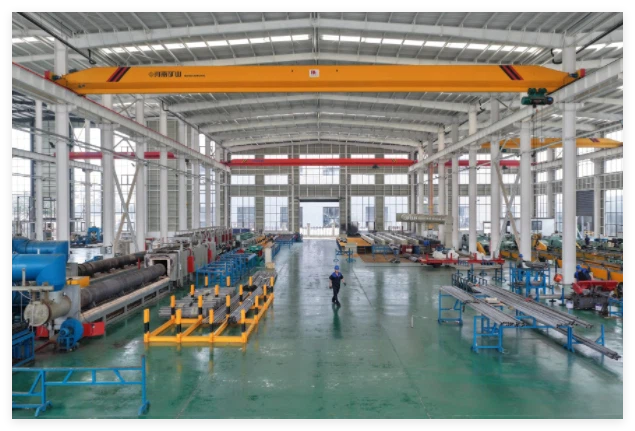
TSM Technology, one of the leading Asian suppliers of high-performance titanium-based materials in China, specializes in factory-made products such as titanium tubes, welded titanium pipes and fittings, titanium flanges, titanium fasteners and nuts, titanium plates and rods, among others.
They are widely used in the construction of heat exchangers, condensers, power plants, seawater desalination facilities, oil and gas pipelines, chlor-alkali plants, and other related fields.
Number of Employees
years experience
Modern factory
Global Supply


