


Seamless Hastelloy C276 tubes are generally preferred for high-pressure, high-corrosion, and critical chemical environments, while welded tubes are more suitable for large-diameter, cost-sensitive, and moderate-pressure applications. Both offer excellent corrosion resistance, but performance differences come from manufacturing structure rather than alloy composition.

Introduction
Hastelloy C276 (UNS N10276) is a premium nickel-molybdenum-chromium alloy widely used in:
- Chemical processing systems
- Heat exchangers
- Acid handling pipelines
- Offshore and marine systems
- Pharmaceutical equipment
When selecting tubing, engineers must decide between:
Seamless Hastelloy C276 Tubes
Welded Hastelloy C276 Tubes
Although both use the same alloy, their production process significantly affects performance, reliability, and cost.
Manufacturing Differences
1 Seamless Tube Production
Seamless tubes are produced by piercing a solid billet.
Process:
Alloy billet heating
Piercing and extrusion
Cold drawing
Heat treatment
Surface finishing
Result: No weld seam, uniform structure
2 Welded Tube Production
Welded tubes are made from flat strip.
Process:
- Strip forming
- Longitudinal welding
- Weld seam treatment
- Annealing
- Testing
Result: Visible weld zone (microscopic after finishing)
Seamless Vs Welded Comparison Table
|
Feature |
Seamless Tube |
Welded Tube |
|
Weld Seam |
None |
Present |
|
Structural Uniformity |
Excellent |
Good |
|
Pressure Resistance |
Very High |
Medium–High |
|
Corrosion Uniformity |
Excellent |
Very Good |
|
Large Diameter Availability |
Limited |
Excellent |
|
Cost |
Higher |
Lower |
|
Lead Time |
Longer |
Shorter |
Corrosion Resistance Performance
Both tubes use identical C276 alloy chemistry, so base corrosion resistance is similar.
Performance by Environment
|
Environment |
Seamless |
Welded |
Notes |
|
Hydrochloric Acid |
Excellent |
Excellent |
No major difference |
|
Sulfuric Acid |
Excellent |
Excellent |
Stable performance |
|
Chloride Solutions |
Excellent |
Very Good |
Seamless slightly better |
|
Seawater |
Excellent |
Very Good |
Weld zone sensitivity |
|
Mixed Chemical Streams |
Excellent |
Very Good |
Depends on weld quality |
Key Insight:
Corrosion difference comes from weld integrity, not the alloy itself.
Mechanical Properties Comparison
|
Property |
Seamless C276 |
Welded C276 |
|
Tensile Strength |
≥485 MPa |
≥485 MPa |
|
Yield Strength |
≥205 MPa |
≥205 MPa |
|
Elongation |
≥30% |
≥30% |
|
Structural Stability |
Higher |
Slightly lower |
|
Fatigue Resistance |
Excellent |
Good |
Pressure & Heat Exchanger Performance
Why Seamless Tubes Perform Better
Heat exchangers require:
High pressure resistance
Thermal cycling stability
No leakage risk
Seamless tubes provide:
✔ No weak weld zone
✔ Uniform wall thickness
✔ Better fatigue resistance
Application Table
|
Application |
Seamless |
Welded |
|
High-pressure heat exchangers |
Best choice |
Not preferred |
|
Chemical reactors |
Best choice |
Limited use |
|
Condensers |
Excellent |
Good |
|
Large shell exchangers |
Good |
Best choice |
|
Acid piping systems |
Excellent |
Good |
Cost Comparison
|
Cost Factor |
Seamless |
Welded |
|
Raw Material |
Same |
Same |
|
Manufacturing Cost |
High |
Lower |
|
Inspection Cost |
High |
Moderate |
|
Total Price |
20–40% higher |
More economical |
Welded tubes can significantly reduce project cost in large-scale systems.
Size Availability
|
Parameter |
Seamless |
Welded |
|
Outer Diameter |
6–114.3 mm |
Up to 2000 mm |
|
Wall Thickness |
0.5–10 mm |
Flexible |
|
Length |
Up to 12 m |
Custom |
|
Fabrication Flexibility |
Medium |
High |
Industrial Applications
Seamless C276 Tubes
Chemical reactors
Acid transfer pipelines
High-pressure heat exchangers
Pharmaceutical systems
Critical offshore systems
Welded C276 Tubes
Large heat exchanger shells
Cooling water systems
Low–medium pressure pipelines
Industrial wastewater systems
Structural chemical equipment
Testing & Quality Standards
Both types must meet strict standards:
ASTM B622 (Seamless)
ASTM B619 / B626 (Welded)
EN 10204 3.1 Certification
Testing Includes:
- PMI chemical verification
- Hydrostatic pressure testing
- Eddy current inspection
- Ultrasonic testing
- Mechanical testing
Engineering Decision Guide
Choose Seamless If:
✔ High pressure system
✔ Strong acid environment
✔ Critical safety application
✔ Long service life required
Choose Welded If:
✔ Large diameter required
✔ Budget-sensitive project
✔ Moderate pressure
✔ Non-critical system
Industry Insight (Important)
In real chemical plant failures:
Over 60% of tube failures occur due to incorrect material selection or weld degradation-not alloy chemistry.
Therefore:
Seamless = safety-critical systems
Welded = cost-optimized systems
FAQ
Q1: Is welded C276 as corrosion resistant as seamless?
Yes, in most cases, but weld zones may slightly reduce performance in extreme environments.
Q2: Is seamless always better?
No. Welded is better for large diameters and cost-sensitive projects.
Q3: Can both be used in heat exchangers?
Yes, depending on pressure and fluid type.
Q4: Which is more widely used?
Welded tubes are more widely used in large-scale industrial systems.
Q5: What standard covers seamless C276 tubes?
ASTM B622.
Conclusion
Both seamless and welded Hastelloy C276 tubes provide excellent corrosion resistance, but their performance differences come from structure, not chemistry.
Seamless C276 → Best for high-pressure, critical applications
Welded C276 → Best for large-scale, cost-effective systems
For chemical, heat exchanger, and industrial applications, correct selection directly impacts:
- Safety
- Lifespan
- Maintenance cost
- System efficiency
Contact Supplier
TSM Technology provides both seamless and welded Hastelloy C276 tubes with:
- ASTM compliance
- Full traceability
- PMI testing
- Global delivery
Email: info@tsm-titanium.com
We are always at your service when you need
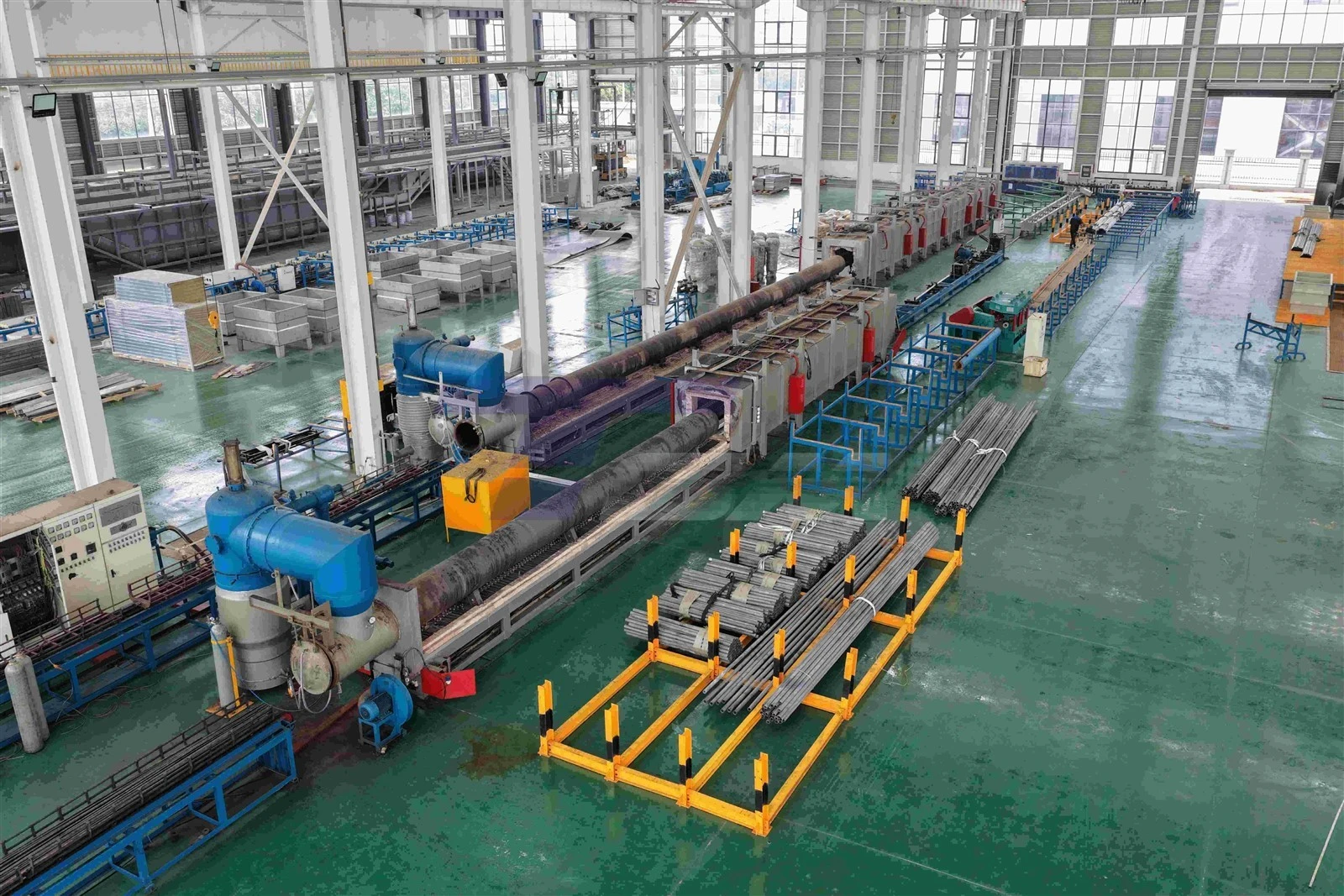
TSM Technology, one of the leading Asian suppliers of high-performance titanium-based materials in China, specializes in factory-made products such as titanium tubes, welded titanium pipes and fittings, titanium flanges, titanium fasteners and nuts, titanium plates and rods, among others.
They are widely used in the construction of heat exchangers, condensers, power plants, seawater desalination facilities, oil and gas pipelines, chlor-alkali plants, and other related fields.
Number of Employees
years experience
Modern factory
Global Supply


