


The best tube materials for heat exchangers in corrosive environments include Hastelloy C22, Hastelloy C276, titanium, and high-grade stainless steels, depending on the type of corrosive media. Among them, Hastelloy C22 tube is widely recognized as one of the most balanced solutions for mixed acid and chloride-containing environments due to its excellent corrosion resistance and mechanical stability.

Introduction
Heat exchangers are essential equipment in chemical processing, power generation, desalination, and petrochemical industries. Their performance heavily depends on the material used in the tubing system.
When exposed to corrosive fluids such as:
- Sulfuric acid
- Hydrochloric acid
- Chloride-rich seawater
- Mixed chemical streams
- material degradation becomes the main failure risk rather than mechanical damage.
Therefore, selecting the right tube material is critical to ensure long-term efficiency, safety, and cost control.
Key Requirements For Heat Exchanger Tube Materials
A suitable heat exchanger tube material must provide:
- High corrosion resistance
- Strong thermal conductivity
- Mechanical strength under pressure
- Resistance to pitting and crevice corrosion
- Long service life under thermal cycling
Common Tube Materials Used In Corrosive Environments
Hastelloy C22 Tube
Hastelloy C22 is a nickel-chromium-molybdenum alloy designed for broad chemical resistance.
Key advantages:
- Excellent resistance to oxidizing and reducing acids
- Strong chloride corrosion resistance
- High stability in mixed chemical environments
- Excellent performance in heat exchangers
It is one of the most widely used premium alloys in chemical processing systems.
Hastelloy C276 Tube
- Stronger performance in highly reducing acids
- Excellent chloride resistance
- Slightly better in extreme chemical variability
- Often used in aggressive chemical plants and offshore systems.
Titanium Tube (Grade 2)
- Outstanding seawater resistance
- Excellent long-term stability
- Limited performance in reducing acids
Best for desalination and marine heat exchangers.
Stainless Steel (316L / Duplex)
- Low cost
- Moderate corrosion resistance
- Poor performance in strong acids
Suitable only for mild environments.
Material Performance Comparison
|
Material |
Acid Resistance |
Chloride Resistance |
Cost Level |
Heat Exchanger Suitability |
|
Hastelloy C22 |
Excellent |
Excellent |
High |
Best balanced option |
|
Hastelloy C276 |
Excellent |
Excellent |
Higher |
Extreme environments |
|
Titanium Grade 2 |
Good |
Excellent |
High |
Seawater systems |
|
316L Stainless Steel |
Poor |
Poor |
Low |
Mild conditions |
|
Duplex Stainless Steel |
Moderate |
Moderate |
Medium |
Limited use |
Why Hastelloy C22 Tube Is Widely Used
Hastelloy C22 tube stands out because it offers a balanced corrosion resistance profile, especially in real industrial conditions where multiple corrosive agents coexist.
Chemical composition advantage
High Chromium (Cr): improves oxidation resistance
High Molybdenum (Mo): enhances pitting resistance
Nickel-based matrix: ensures structural stability
Performance In Heat Exchangers
Hastelloy C22 tubes perform particularly well in:
Chemical heat exchangers
Acid cooling systems
Reaction heat control
Mixed chemical transfer
Chloride-containing systems
Seawater cooling
Brine processing
Offshore systems
Acid processing units
Sulfuric acid systems
Phosphoric acid plants
Mechanical Properties
|
Property |
Value |
|
Tensile Strength |
~690 MPa |
|
Yield Strength |
~310 MPa |
|
Elongation |
40–45% |
|
Fabricability |
Excellent |
|
Thermal Stability |
High |
Tube Specification Overview
|
Parameter |
Range |
|
Outer Diameter |
6–114.3 mm |
|
Wall Thickness |
0.5–10 mm |
|
Length |
Up to 12 m |
|
Type |
Seamless / Welded |
|
Standard |
ASTM B622 (seamless) |
Selection Guide For Engineers
Choose Hastelloy C22 Tube if:
Mixed acid and chloride environment exists
Heat exchanger operates under corrosive media
Long service life is required
System downtime must be minimized
Choose titanium if:
Pure seawater environment
No strong acids present
Choose C276 if:
Extremely aggressive chemical conditions
Highly variable acid composition
Choose stainless steel if:
Low cost is priority
Environment is mild
Industrial Applications
Chemical Processing
Reactor heat exchangers
Acid cooling systems
Process fluid transfer
Power Generation
Flue gas systems
Cooling heat exchangers
Marine Engineering
Seawater cooling systems
Offshore heat exchange units
Desalination Plants
Evaporators
Condensers
Brine heaters
Why Material Selection Matters
In corrosive heat exchangers, failure is often caused by:
- Localized pitting
- Crevice corrosion at joints
- Stress corrosion cracking
- Rapid wall thinning
Incorrect material selection can lead to:
- System shutdown
- Production loss
- High maintenance cost
- Safety risks
Conclusion
Selecting the best tube material for heat exchangers in corrosive environments depends on the operating medium, temperature, and cost constraints.
Among all options, Hastelloy C22 tube provides one of the most balanced and reliable solutions, offering:
- Excellent corrosion resistance
- Strong mechanical performance
- Wide industrial adaptability
- Long service life in aggressive environments
It is widely used in chemical processing, desalination, and heat exchanger systems where reliability is critical.
Contact Supplier
TSM Technology supplies high-quality Hastelloy C22 tubes with full ASTM compliance and global delivery support.
Email: info@tsm-titanium.com
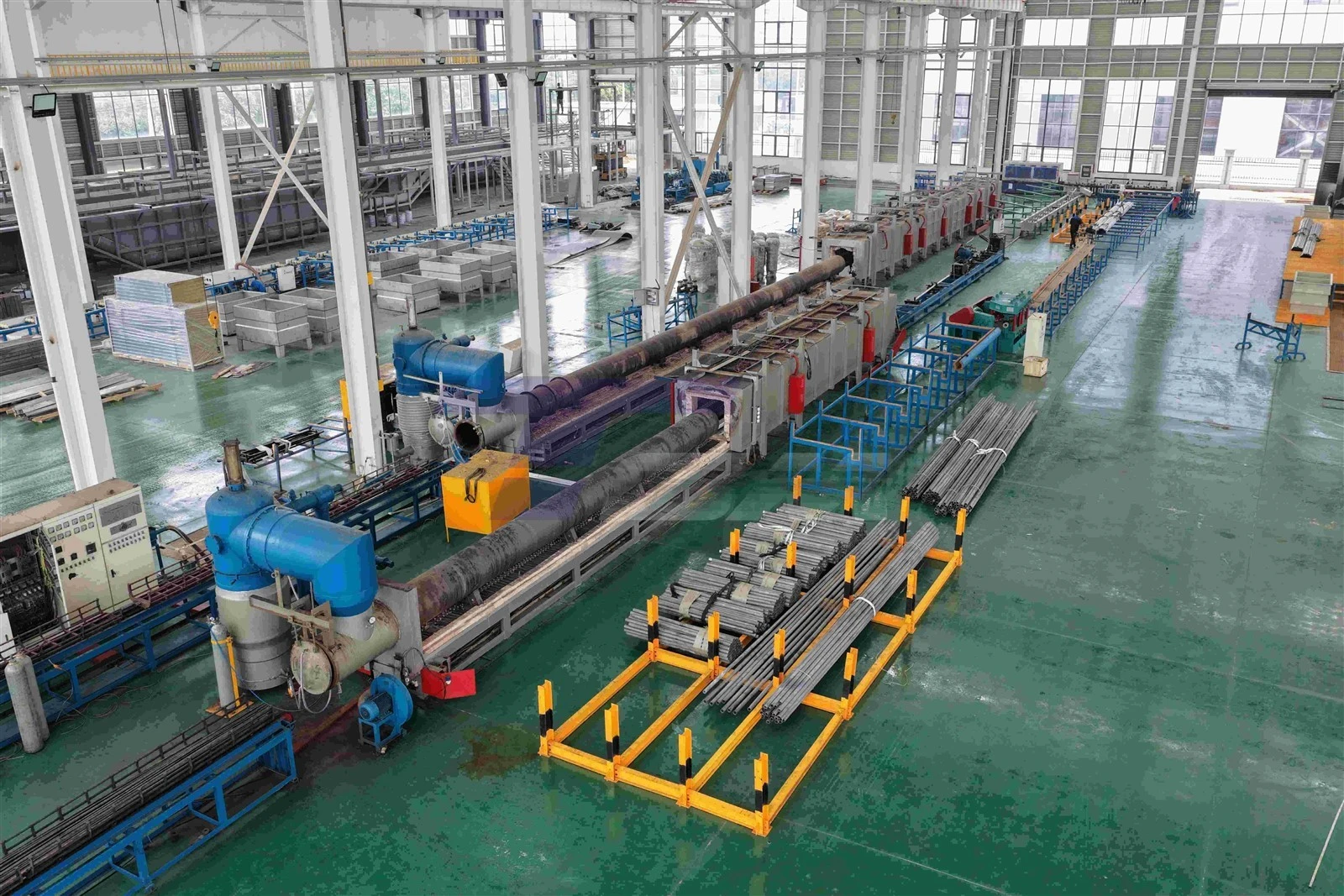
We are always at your service when you need
TSM Technology, one of the leading Asian suppliers of high-performance titanium-based materials in China, specializes in factory-made products such as titanium tubes, welded titanium pipes and fittings, titanium flanges, titanium fasteners and nuts, titanium plates and rods, among others.
They are widely used in the construction of heat exchangers, condensers, power plants, seawater desalination facilities, oil and gas pipelines, chlor-alkali plants, and other related fields.
Number of Employees
years experience
Modern factory
Global Supply


