




Titanium Bolt Manufacturer & Supplier in China – Grade 5 Ti-6Al-4V Fasteners
Titanium bolts are widely used in aerospace, marine engineering, racing motorcycles, bicycles, chemical processing, medical devices, and high-performance industrial systems because they provide an exceptional combination of lightweight performance, high mechanical strength, and outstanding corrosion resistance. Compared with conventional stainless steel fasteners, titanium bolts can reduce component weight by nearly 45% while maintaining comparable or even superior strength levels. This unique balance makes titanium fasteners the preferred choice for engineers and OEM manufacturers seeking reliability in demanding environments.
At TSM Technology, we manufacture and supply a complete range of titanium bolts including DIN933 titanium hex bolts, DIN931 hex head bolts, DIN912 socket head cap screws, DIN7991 countersunk bolts, flange bolts, custom racing bolts, and aerospace titanium fasteners. Our titanium bolts are available in Grade 2, Grade 5 (Ti-6Al-4V), Grade 7, and Grade 23 titanium alloys according to ASTM B348, AMS 4928, DIN, ISO, and JIS standards.

What Are Titanium Bolts?
Titanium bolts are threaded fastening components manufactured from pure titanium or titanium alloy materials. Due to titanium's low density and excellent corrosion resistance, these bolts are extensively used in environments where traditional carbon steel and stainless steel fasteners fail because of rust, chloride corrosion, or excessive weight.
The most commonly used titanium bolt material is Grade 5 titanium alloy, also known as Ti-6Al-4V. This alloy contains aluminum and vanadium, giving it significantly higher tensile strength than commercially pure titanium while maintaining excellent fatigue resistance and corrosion performance. Grade 2 titanium bolts are also widely used in chemical processing and marine applications because of their superior corrosion resistance and weldability.
Unlike ordinary steel fasteners, titanium bolts form a stable oxide layer on the surface, which naturally protects the material from seawater corrosion, oxidizing acids, chloride ions, and industrial chemicals. This makes titanium fasteners ideal for offshore platforms, desalination systems, heat exchangers, and marine engineering projects.
We can supply:
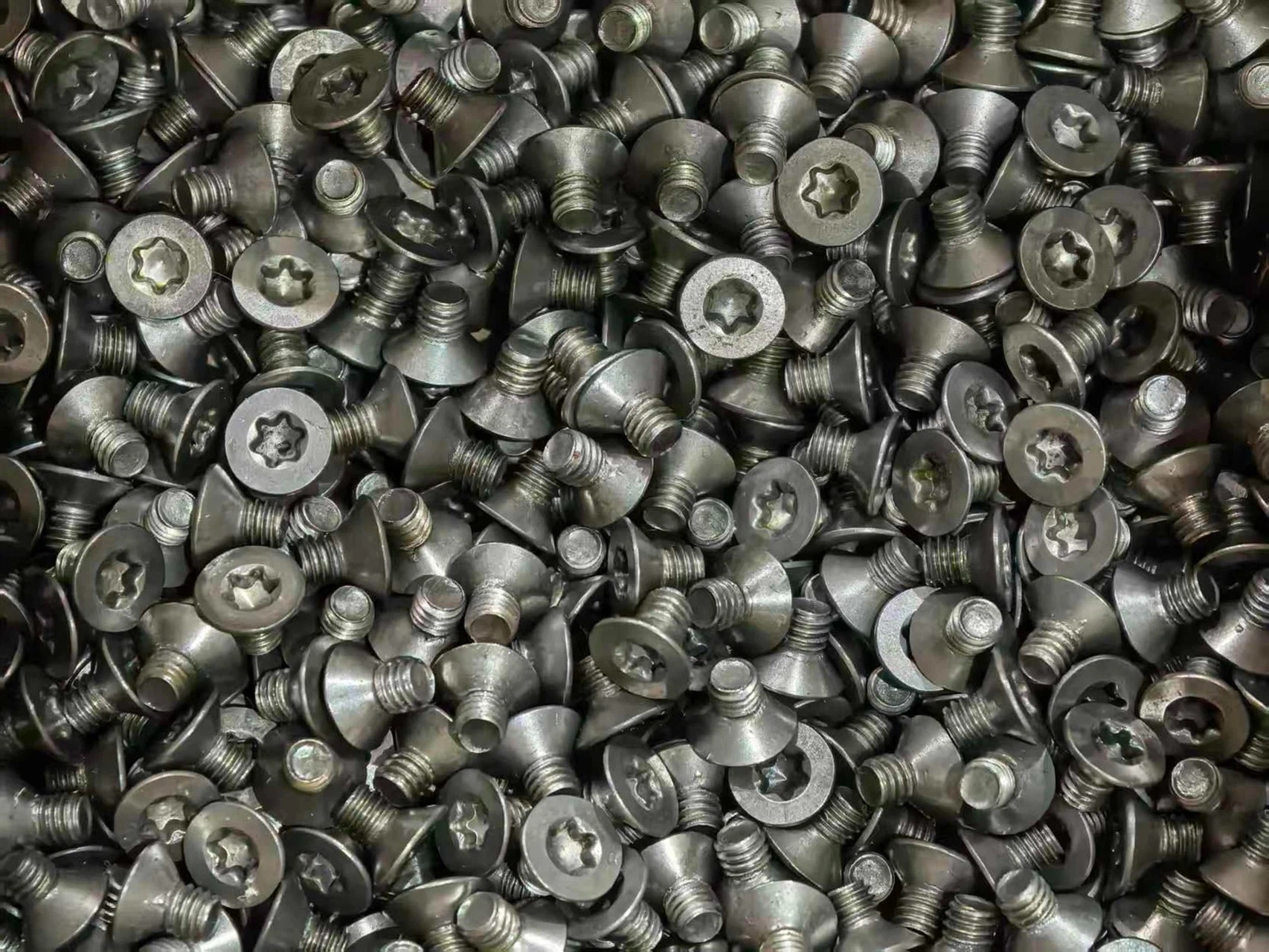
- Titanium Tapping screws
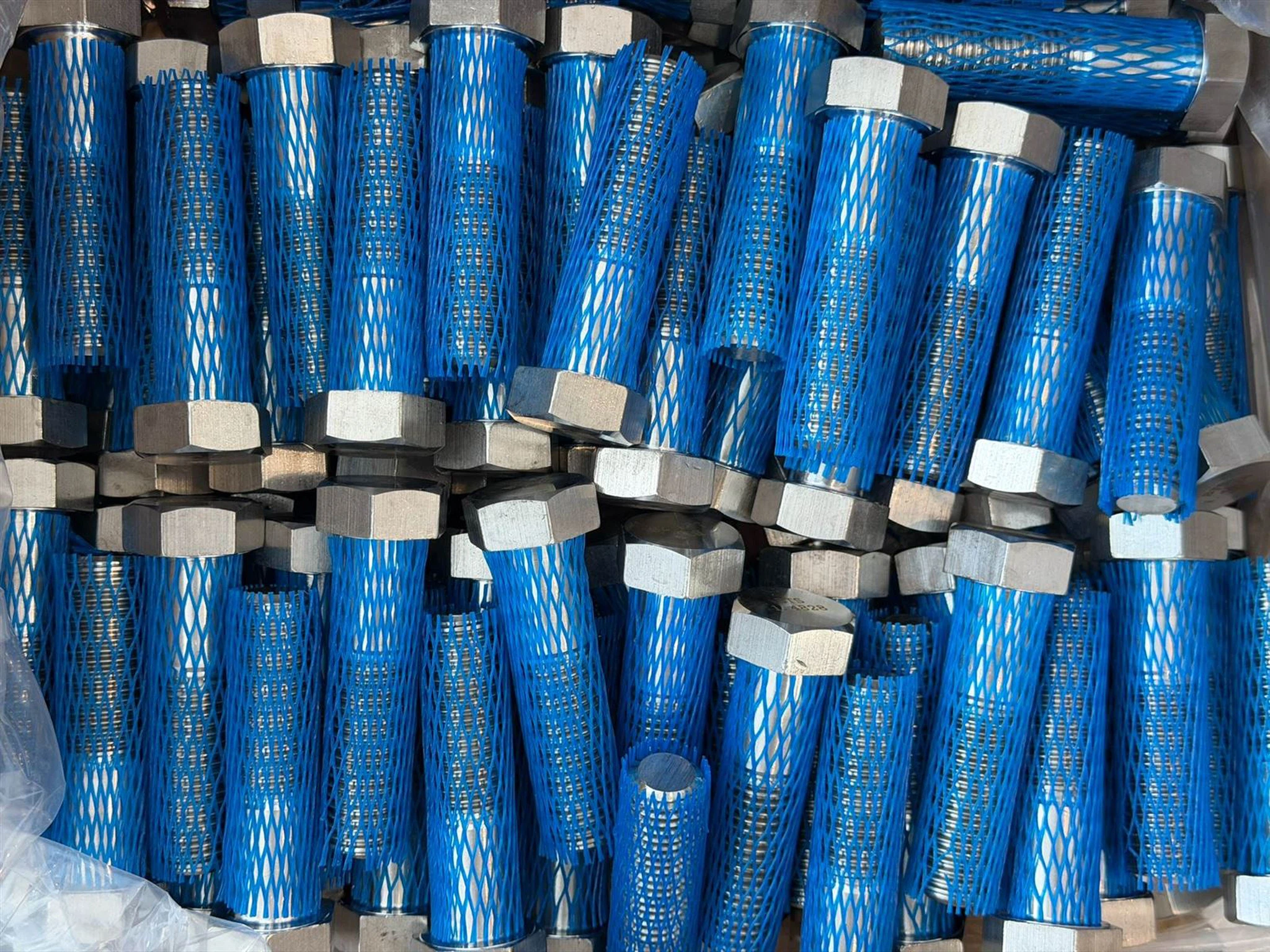
- Titanium Hexagon Screw
- Titanium Flange Screws
- Titanium Flat Head Socket Cap Screws
- Titanium Hex Cap Screws Fully Threaded
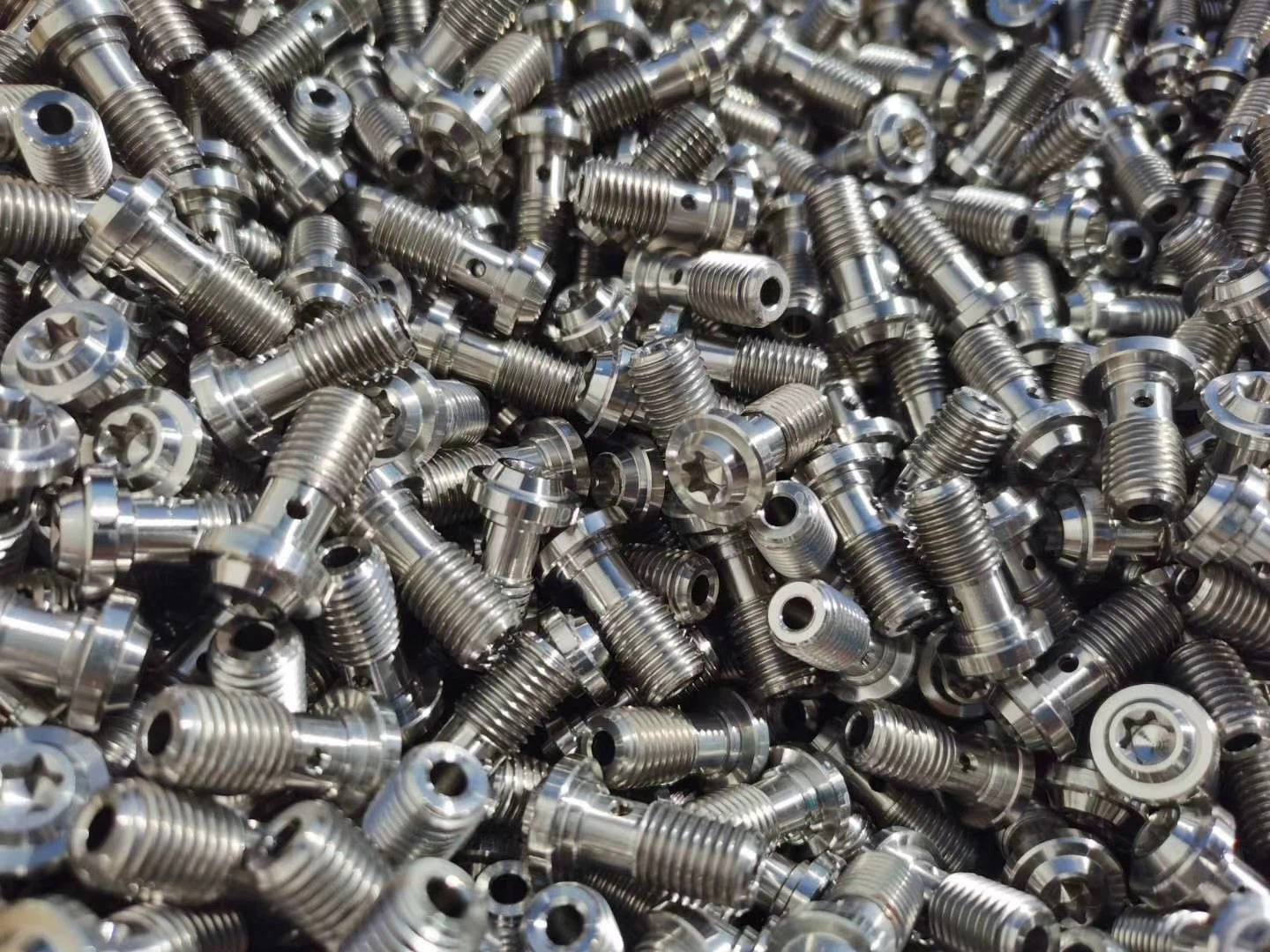
- Customized titanium bolt & screws

Titanium Bolt Specifications
| Item | Details |
|---|---|
| Product Name | Titanium Bolt |
| Standards | DIN933, DIN931, DIN912, DIN7991, ASTM B348 |
| Material Grades | Gr1, Gr2, Gr5, Gr7, Gr23 |
| Material Type | Pure Titanium / Titanium Alloy |
| Diameter Range | M2 – M64 |
| Length Range | 1 mm – 1990 mm |
| Thread Type | Coarse Thread / Fine Thread |
| Surface Finish | Polished, Anodized, PVD, Sandblasted |
| Head Types | Hex Head, Socket Head, Countersunk, Flange |
| Production Process | Forging, CNC Machining, Thread Rolling |
| Certification | EN10204 3.1 / SGS / ISO |
| MOQ | 100 PCS |
| OEM Service | Available |
TSM Technology supports both standard titanium bolts and custom titanium fasteners manufactured according to customer drawings or technical requirements.
DIN912

|
Diameter d |
screw pitch(P) |
b |
dk |
k |
s |
t min |
|||
|
max |
min |
max |
min |
max |
min |
||||
|
M3 |
0.5 |
18 |
5.68 |
5.32 |
3 |
2.86 |
2.58 |
2.52 |
1.3 |
|
M4 |
0.7 |
20 |
7.22 |
6.78 |
4 |
3.82 |
3.08 |
3.02 |
2 |
|
M5 |
0.8 |
22 |
8.72 |
8.28 |
5 |
4.82 |
4.095 |
4.02 |
2.5 |
|
M6 |
1 |
24 |
10.22 |
9.78 |
6 |
5.7 |
5.14 |
5.02 |
3 |
|
M8 |
1.25/1 |
28 |
13.27 |
12.73 |
8 |
7.64 |
6.14 |
6.02 |
4 |
|
M10 |
1.5/1.25/1 |
32 |
16.27 |
15.73 |
10 |
9.64 |
8.175 |
8.025 |
5 |
|
M12 |
1.75/1.5/1.25 |
36 |
18.27 |
17.73 |
12 |
11.57 |
10.18 |
10.025 |
6 |
|
M14 |
2/1.5 |
40 |
21.33 |
20.67 |
14 |
12.57 |
12.21 |
12.032 |
7 |
|
M16 |
2/1.5 |
44 |
24.33 |
23.67 |
16 |
15.57 |
14.21 |
14.032 |
8 |
|
M18 |
2.5/2/1.5 |
48 |
27.33 |
29.67 |
18 |
17.57 |
14.21 |
14.032 |
9 |
|
M20 |
2.5/2/1.5 |
52 |
30.33 |
32.61 |
20 |
19.48 |
17.23 |
17.05 |
10 |
|
M22 |
2.5/2/1.5 |
56 |
33.39 |
35.61 |
22 |
21.48 |
17.23 |
17.05 |
11 |
Chemical Composition of Grade 5 Titanium Bolts
| Element | Content (%) |
|---|---|
| Aluminum (Al) | 5.5 – 6.75 |
| Vanadium (V) | 3.5 – 4.5 |
| Iron (Fe) | ≤ 0.40 |
| Oxygen (O) | ≤ 0.20 |
| Carbon (C) | ≤ 0.08 |
| Nitrogen (N) | ≤ 0.05 |
| Hydrogen (H) | ≤ 0.015 |
| Titanium (Ti) | Balance |
Grade 5 titanium alloy offers one of the best strength-to-weight ratios among engineering metals and is considered the industry standard for aerospace and high-performance fastening applications.
Mechanical Properties of Titanium Bolts
| Property | Grade 2 Titanium | Grade 5 Titanium |
|---|---|---|
| Tensile Strength | ≥ 345 MPa | ≥ 895 MPa |
| Yield Strength | ≥ 275 MPa | ≥ 828 MPa |
| Elongation | ≥ 20% | ≥ 10% |
| Density | 4.51 g/cm³ | 4.43 g/cm³ |
| Hardness | Moderate | High |
Compared with stainless steel bolts, Grade 5 titanium bolts provide excellent tensile strength while significantly reducing system weight. In racing and aerospace industries, this weight reduction improves acceleration, fuel efficiency, and mechanical response.
Titanium Bolt vs Stainless Steel Bolt
One of the most common questions from engineers and procurement specialists is whether titanium bolts are better than stainless steel bolts. The answer depends on the application environment.
| Comparison | Titanium Bolt | Stainless Steel Bolt |
|---|---|---|
| Weight | Very Lightweight | Heavy |
| Corrosion Resistance | Excellent in Seawater & Chlorides | Moderate |
| Strength-to-Weight Ratio | Excellent | Average |
| Magnetic Property | Non-Magnetic | Slightly Magnetic |
| High Temperature Resistance | Excellent | Moderate |
| Cost | Higher | Lower |
| Fatigue Resistance | Excellent | Moderate |
In marine and offshore environments, titanium bolts outperform stainless steel because titanium resists chloride-induced pitting corrosion. Stainless steel fasteners often fail in seawater systems due to crevice corrosion and rust formation, while titanium maintains long-term stability even under aggressive conditions.
Why Titanium Bolts Gall and How to Prevent It
Galling is a common engineering issue associated with titanium fasteners. Titanium has a strong tendency toward adhesive wear under friction, especially when titanium nuts and titanium bolts are tightened together without lubrication. During assembly, friction causes the metal surfaces to seize and damage the thread profile.
At TSM Technology, we recommend several methods to reduce galling risks:
- Use anti-seize lubricants during installation
- Reduce tightening speed
- Apply surface coatings such as PVD or anodizing
- Use rolled threads instead of cut threads
- Avoid excessive tightening torque
Rolled threads are especially important because cold-forming compresses the thread surface and improves fatigue resistance while reducing thread surface damage. Compared with machined threads, rolled threads can improve fatigue performance by approximately 30–40% in high-vibration applications.
Why Choose TSM Technology?
Founded in 2011, TSM Technology has become one of the leading manufacturers and exporters of titanium products, nickel alloy products, and precision fasteners in China. Our production base includes advanced vacuum consumable arc furnaces, forging presses, CNC machining centers, and professional testing laboratories.
Factory Strength
| Capability | Details |
|---|---|
| Founded | 2011 |
| Production Area | 60,000+ m² |
| Production Lines | 8 |
| Machines | 70+ |
| Monthly Capacity | 300,000 PCS |
| Export Markets | Europe, USA, Middle East, Asia |
| OEM & ODM | Supported |
| Quality System | ISO Certified |
TSM Technology supplies titanium bolts and fasteners to customers in aerospace, chemical processing, racing motorcycles, bicycles, marine engineering, and industrial equipment manufacturing worldwide.


Manufacturing Process of Titanium Bolts
Manufacturing titanium fasteners requires advanced processing technology because titanium alloys are difficult to machine and sensitive to heat during cutting operations.
At TSM Technology, titanium bolts are manufactured through a complete production process that ensures dimensional precision and stable mechanical properties.
Titanium Bolt Production Process
| Production Stage | Description |
|---|---|
| Raw Material Inspection | Titanium bar chemical verification |
| Hot Forging | Bolt head formation |
| CNC Machining | Precision dimensional machining |
| Thread Rolling | Cold-formed precision threads |
| Heat Treatment | Mechanical property enhancement |
| Surface Finishing | Polishing, anodizing, blasting |
| Inspection & Testing | Mechanical & dimensional inspection |
| Cleaning & Packaging | Export standard packing |
Our titanium bolt production includes hot forging technology, precision CNC machining centers, and advanced thread rolling systems compliant with ISO 965-1 thread tolerance standards.
Titanium Bolt Inspection & Quality Control
Quality assurance is essential for aerospace, racing, marine, and chemical fasteners because bolt failure may result in severe equipment damage.
Each batch of titanium bolts manufactured by TSM Technology undergoes strict inspection procedures before shipment.
Product Testing Methods
| Inspection Item | Testing Method |
|---|---|
| Chemical Analysis | OES / XRF / ICP |
| Tensile Testing | Universal Testing Machine |
| Hardness Testing | Rockwell Hardness |
| Thread Inspection | Go/No-Go Gauge |
| Surface Inspection | Visual & Dimensional |
| PMI Testing | Positive Material Identification |
| Corrosion Testing | Salt Spray Test |
| Metallographic Analysis | Grain Structure Examination |
All titanium bolts can be supplied with EN10204 3.1 material certificates and third-party inspection reports according to customer requirements.
Applications of Titanium Bolts
Titanium bolts are widely used in industries requiring lightweight structures, high corrosion resistance, and superior fatigue performance.
Aerospace Industry
Aircraft manufacturers use Grade 5 titanium bolts in structural assemblies, landing gear systems, and engine components because titanium provides excellent strength while minimizing aircraft weight.
Racing Motorcycles & Bicycles
Titanium bolts are extremely popular in racing motorcycles and high-end bicycles because reducing rotational and unsprung weight improves acceleration and handling performance. Replacing steel bolts with titanium fasteners may reduce overall vehicle weight while maintaining high mechanical strength.
Marine Engineering
Titanium bolts exhibit excellent seawater resistance and are widely used in offshore platforms, shipbuilding, desalination systems, and marine piping equipment.
Chemical Processing
Chemical plants use titanium bolts in reactors, pressure vessels, heat exchangers, and acid-processing equipment because titanium resists oxidizing acids and chloride corrosion better than stainless steel.
Medical Equipment
Titanium is biocompatible and non-toxic, making titanium fasteners suitable for medical implants and surgical equipment.
Packaging &Delivery
We have many stocks of titanium screws. Also we can delivery the products according to the order situation,usually 3-25 days.To ensure safe international transportation, all titanium bolts are packed according to export standards.

FAQ
Q: What Is The Strongest Titanium Bolt Material?
A: Grade 5 titanium (Ti-6Al-4V) is the most commonly used high-strength titanium alloy for industrial fasteners.
Q: Are Titanium Bolts Stronger Than Stainless Steel?
A: Grade 5 titanium bolts offer a better strength-to-weight ratio than stainless steel bolts and provide superior corrosion resistance in seawater and chloride environments.
Q: Why Are Titanium Bolts Expensive?
A: Titanium is difficult to machine and requires specialized melting, forging, and machining equipment. Raw material costs and processing complexity are significantly higher than carbon steel or stainless steel fasteners.
Q: Do Titanium Bolts Rust?
A: Titanium bolts do not rust like ordinary steel fasteners because titanium forms a stable oxide layer that protects against corrosion.
Q: Can Titanium Bolts Be Anodized?
A: Yes. Titanium bolts can be anodized into multiple colors including blue, gold, purple, black, and rainbow finishes for decorative and anti-galling purposes.
Q: What Standards Do Your Titanium Bolts Comply With?
A: Our products comply with ASTM B348, AMS 4928, DIN, ISO, JIS, and GB standards.
Contact Us
If you are looking for a reliable titanium bolt manufacturer and supplier in China, TSM Technology can provide premium-quality titanium fasteners with competitive factory prices, stable quality, and global shipping support.
Email: info@tsm-titanium.com
Hot Tags: Titanium Bolt, China, manufacturers, suppliers, factory, wholesale, price, stock


